

MSc DATA
ANALYTICS IN FOOTBALL
Learn to transform football data into decisions that support performance, recruitment and tactical analysis. Develop practical skills in football data analytics and visualisation to evaluate players and teams, identify patterns and communicate actionable insights to coaching and technical staff
REQUEST INFORMATION
Next edition: 13/10/26 · Last scholarships available · Secure your spot today!
Training sports video analysts
In the Sports Data Campus ecosystem
Master's degrees certified by UCAM
With our certified diplomas
Specialise in football data analytics
The MSc in Data Analytics in Football prepares you to analyse player, team and match data and turn it into useful information for professional football. You will develop skills in data analysis, statistics, programming and visualisation applied to performance, recruitment and tactical analysis.
Through practical projects, you will learn to:
- Analyse football datasets using Python and R.
- Apply statistical and computational methods to player and team analysis.
- Build dashboards and visualisations with Tableau and Power BI.
- Identify patterns and evaluate performance, recruitment and tactical data.
- Communicate analytical findings clearly to coaching and technical staff.
The programme combines technical training with practical application, including a final project that allows you to apply football data analytics to a complete analytical challenge.
IN COLLABORATION WITH:

Is the MSc in Data Analytics in Football right for you?
The MSc in Data Analytics in Football is designed for people who want to specialise in football data analytics and use data to analyse players, teams and performance in professional football.
This MSc is for you if you:
- Work as a football analyst, coach or member of a coaching or technical team and want to integrate data into performance analysis and decision-making.
- Have a background in data analysis, statistics, technology or programming and want to apply your technical skills to football.
- Want to start or develop a career as a football data analyst and build skills relevant to professional clubs and football organisations.
- Want practical experience with football data, data visualisation and Machine Learning applied to player, team and performance analysis.
You do not need previous experience in professional football. The MSc develops the technical and analytical skills required to analyse football data and apply your findings in a professional football environment.
 UPON COMPLETING THE MASTER’S PROGRAM
OFFICIAL DUAL CERTIFICATION
Upon completing the master’s program, you will receive a dual certification awarded by UCAM and Sports Data Campus.
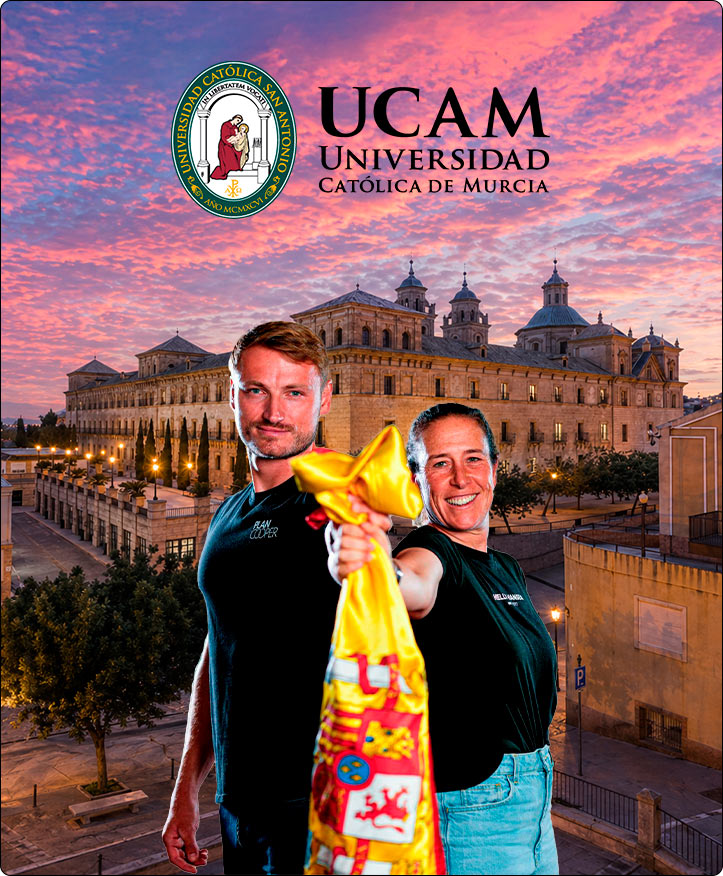
Official UCAM Certification
At UCAM, we have more than 20 years of experience in academic education. Our university has been recognised by prestigious international rankings, placing it among the top 10 universities in Europe for teaching quality, according to the Times Higher Education (THE) ranking. We are among the Spanish universities with the lowest dropout rates and the highest employability levels among students. At UCAM, we are constantly evolving and at the forefront of technology and tools to deliver a leading learning experience at both national and international level.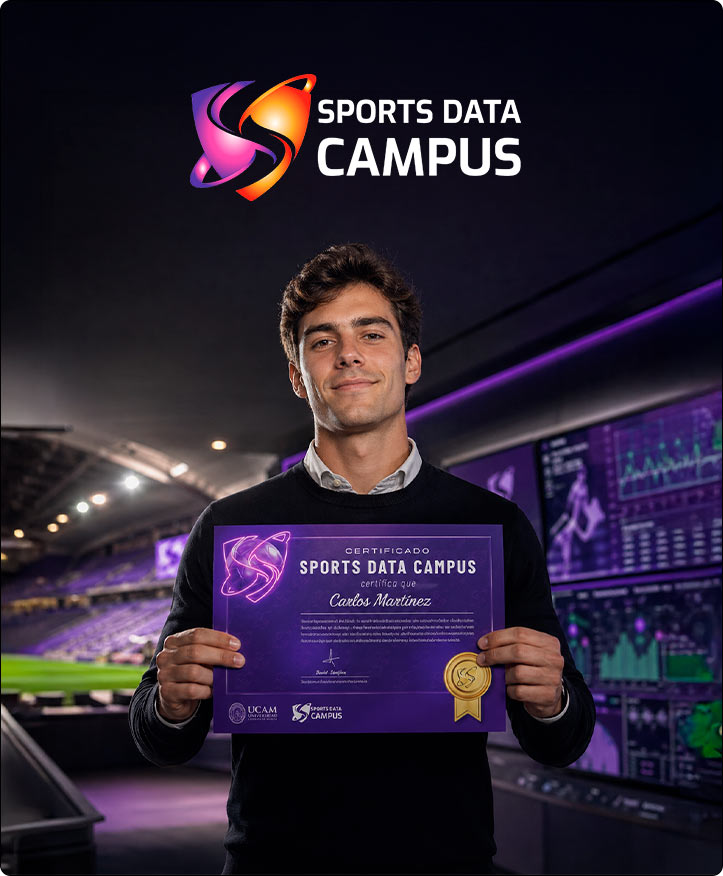
Official SDC Certification
Sports Data Campus is the leading school for specialised training in Big Data, advanced analytics and Artificial Intelligence applied to sport. We were created to respond to an increasingly clear reality: professional sport can no longer be understood without data. We train the professionals who lead change in clubs, federations, agencies and companies across the industry, combining strategic vision, practical application and a methodology aligned with the labour market. Our programs are designed to turn data into decisions, performance and competitive advantage. At Sports Data Campus, you do not just learn theory: you develop the skills that today’s sports industry demands to analyse, interpret and transform information into real impact. Because the future of sport is built with talent, technology and applied knowledge.
FROM ENROLMENT
CERTIFIED DIPLOMAS INCLUDED WITH YOUR ENROLMENT, VALUED AT OVER $5,000
You can obtain them from the moment you enrol until you complete the Master’s programme.

CERTIFIED DIPLOMA IN
Fundamentals of Football Analysis

CERTIFIED DIPLOMA IN
Sports Statistics with R

CERTIFIED DIPLOMA IN
Advanced Analytics with Python

CERTIFIED DIPLOMA IN
Fundamentals of Data Visualisation

CERTIFIED DIPLOMA IN
Generative AI Applied to Sport

CERTIFIED DIPLOMA IN
Soft Skills
DURING THE MASTER’S PROGRAM
COMPLEMENTARY TRAINING INCLUDED
We partner with leading companies in the sports industry to offer you the following certifications, helping you build a more competitive profile.
PROFESSIONAL INDUSTRY CERTIFICATIONS







IINS Recognition · March 2026
The Institute for Spanish Sports Quality grants this extraordinary distinction to Sports Data Campus, in recognition of its leadership, impact, and outstanding contribution to the strategic development of the sports ecosystem, and certifies that the institution meets the requirements and standards established for the sports quality seal.

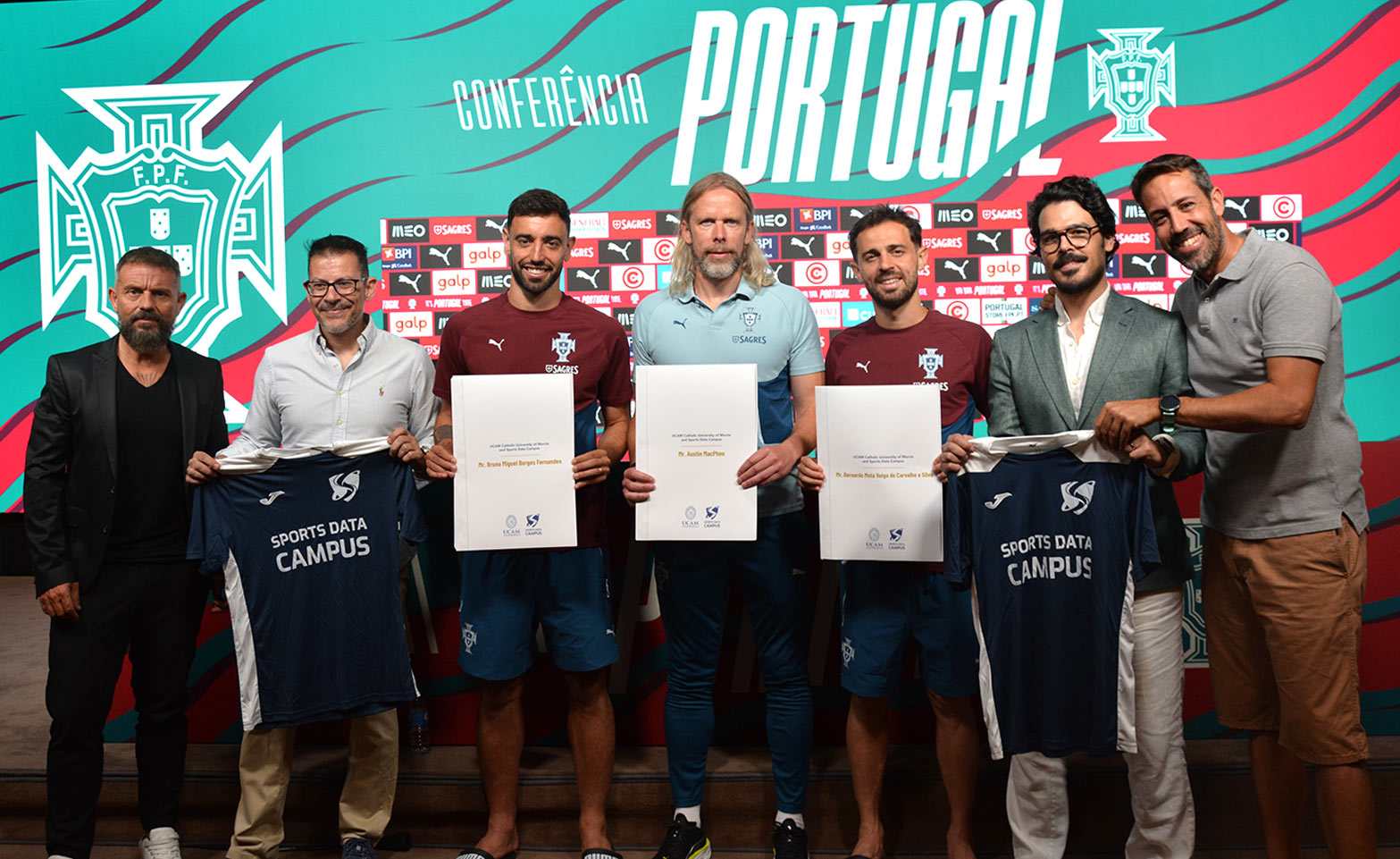
At Sports Data Campus, we sign the best instructors for you
Career Opportunities in Football Data Analytics
The MSc in Data Analytics in Football develops skills for professional roles in football data analysis, performance, recruitment, scouting and applied analytics across clubs and football organisations.

Analyses player, team and match data to identify patterns, evaluate performance and provide insights that support coaching and technical decisions.
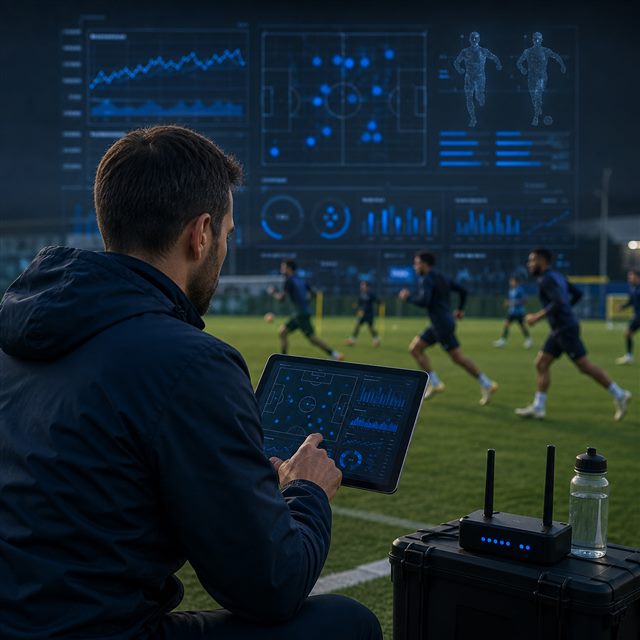
Uses performance and match data to evaluate players and teams, identify trends and support coaching staff with evidence-based analysis.

Combines player data, performance metrics and scouting information to identify talent, compare profiles and support recruitment decisions.

Analyses match data, tactical patterns and opposition performance to support game preparation, tactical evaluation and post-match analysis.

Applies statistics, programming and Machine Learning to football datasets to develop analytical models, identify patterns and generate predictive insights.

Uses data visualisation and Business Intelligence to build dashboards, track football KPIs and communicate analytical findings to technical and sporting departments.

Supports clubs and football organisations in applying data analytics to performance, recruitment, scouting and strategic decision-making.

Coordinates data platforms, analytical tools and football technology to support the collection, integration and use of data across sporting departments.

ACCESS TO THE INTERNATIONAL PROGRAM IN
SCHOLARSHIPS
Access the international scholarship programme for the MSc Data Analytics in Football and discover the available funding options to specialise in football data analytics, advanced performance metrics and data-driven decision-making.
Why study the MSc in Data Analytics in Football?
Por que fazer o nosso Mestrado?
Realizar um mestrado no Sports Data Campus permitir-te-á formar-te com especialistas do setor, adquirir ferramentas avançadas para gerir e analisar dados aplicados ao desporto, e destacar-te num mercado em constante evolução que exige profissionais altamente capacitados

UNIQUE EDUCATION
Exclusive, industry-focused content

LEADING CAMPUS
A global community focused on Big Data and sports

OVER 3,100 STUDENTS
Professionals trained across major leagues and sports

REAL PARTNERSHIPS
Over 100 professional clubs and teams

CONTINUOUS SUPPORT
We are always available to support you

NETWORKING
Discover opportunities within our professional community

OFFICIAL CERTIFICATION
Master’s degree certified by UCAM

TOP FACULTY
Masterclasses and exclusive events with industry experts

SCHOLARSHIPS
Discover our scholarship and study support programme

PROFESSIONAL PORTFOLIO
Build a portfolio through your final project and practical work
Free access to Google AI Plus
Research and
prepare better
Advance your
career
Create content
effortlessly
400 GB of
storage


Programme of the MSc in Data Analytics in Football
The MSc in Data Analytics in Football combines football data analysis, programming, statistics and data visualisation to work with player, team and match data in professional football.
vacio
MODULE 1. FOUNDATIONS OF BIG DATA APPLIED TO FOOTBALL (3 ECTS)
A comprehensive introduction to Big Data and AI concepts, highlighting their transformative impact on sports from optimizing team performance to refining talent-recruitment strategies.
- History and Evolution of AI in Sports
- State-of-the-Art AI Applications in Sports
- Design and Implementation of Big Data and AI Projects
- Programming Languages and Technical Tools for Sports Analytics
- Emerging Trends in AI and Sports
- Physical Performance Data and AI
- Case Studies of AI in Elite Clubs
- Simulations and Hands-On Exercises
- Integrating AI into the Sports Ecosystem
- Professional Impact and Competencies of AI Specialists in Sports
MODULE 2. FOOTBALL DATA PROVIDERS AND OPEN DATA (4 ECTS)
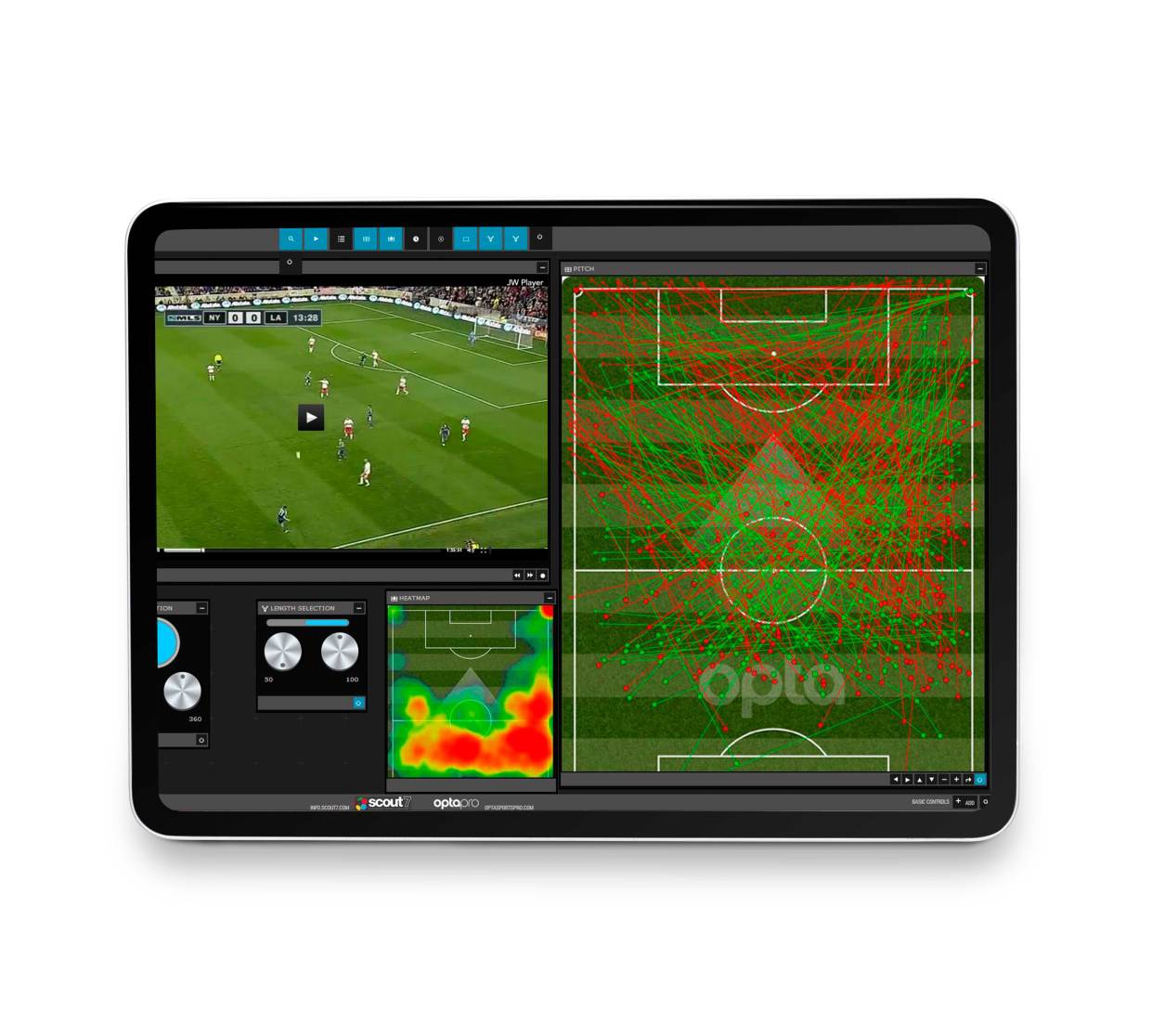
Football cannot be understood without data, as it is the best complement for decisión making. Data providers such as Wyscout, Opta, and Instat are essential for both scouts and analysts within a football club to begin executing their analyses.
They serve as the starting point, and in this module, the focus is on selecting the appropriate performance indicators based on the set objectives and their export. Additionally, the clear differences between providers will be addressed, along with an overview of their internal structure and all the advanced features they offer.
- Introduction to Data Providers
- Opta
- Scout74
- Instat
- Wyscout
- MediaCoach
- StatsBomb
- Statistics Portals
MODULE 3. ADVANCED METRICS IN FOOTBALL: OFFENSIVE AND DEFENSIVE (6 ECTS)
The explosion of Big Data in today’s world reaches and must reach the micro level. The scout must not only be familiar with the data providers in the industry and how they function, but also with their more technical content.
An analysis or tracking process is meaningless if the performance metrics or indicators to be applied are not fully understood. It is essential to know what each metric measures and the scope of each one when analyzing a player’s performance, both in offensive and defensive phases.
- The Importance of Data at the Micro Level
- Offensive Metrics: Concept and Interpretation
- Defensive Metrics: Concept and Interpretation
- Development and Focus of Advanced Metrics
- Goalkeeper Evaluation Metrics
- Real-life Case Study of a Scout’s Application of Metrics
MODULE 4. FOOTBALL DATA VISUALIZATION: CREATING DASHBOARDS WITH TABLEAU AND POWERBI (6 ECTS)
Data analytics now drives sport. Clubs rely on it daily—for training, opponent scouting, injury prevention and transfer evaluation. Specialised tools model vast datasets and present them clearly for coaching staffs; without sharp visualisation, data remains exposed and under-used.
Representing information is as vital as exporting or contextualising it, and companion platforms both visualise and power deeper análisis and processing.
- Overview of data-analysis tools
- Best-practice visualisation
- Tableau
- Power BI
- Other options
MODULE 5. DATA ACQUISITION TECHNIQUES VIA VIDEO IN FOOTBALL (5 ECTS)
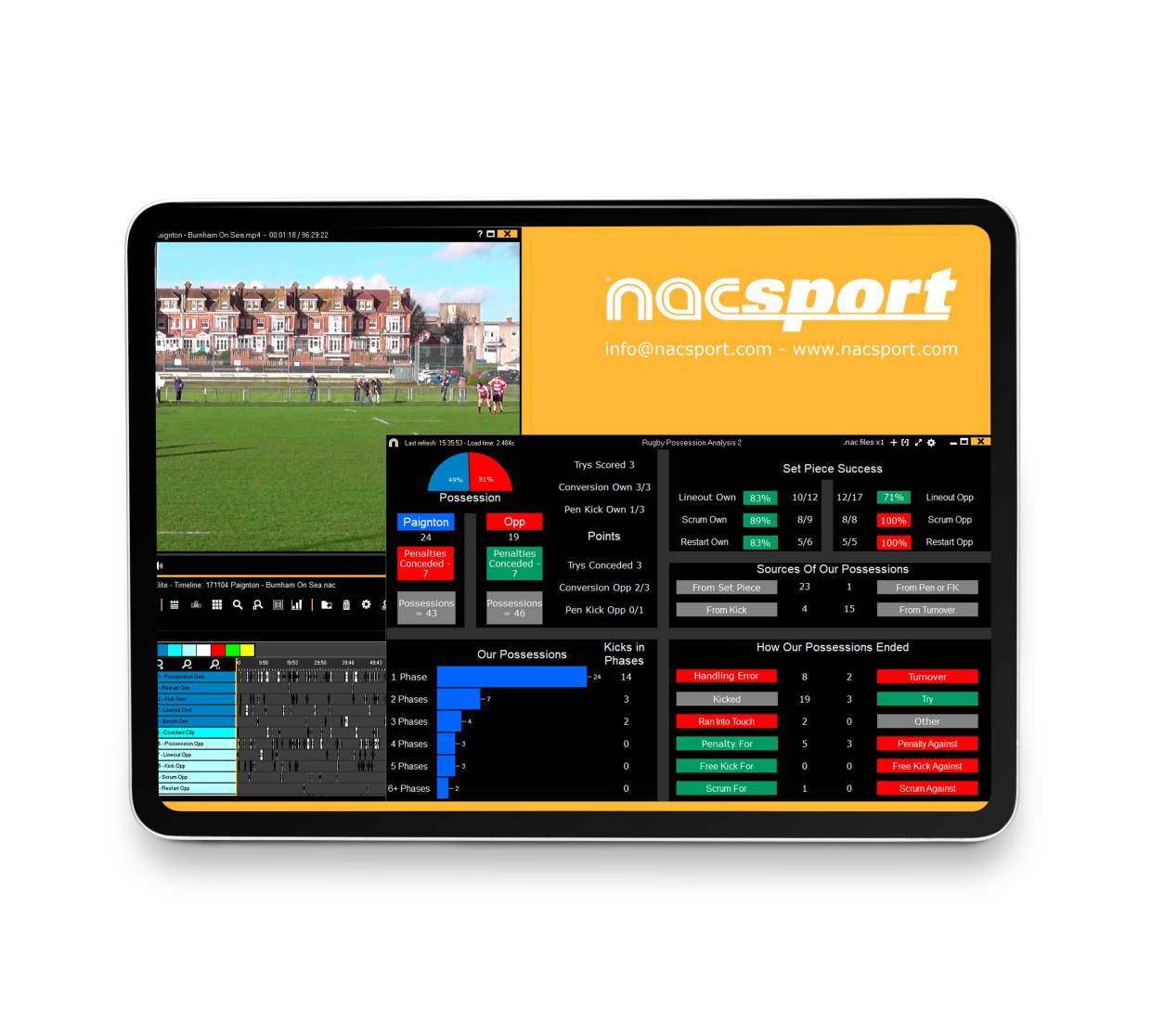
The analysis of individual player performance requires both objective and subjective perspectives. Mastery of tools like NacSport or Metrica Sports is essential to visually support their technical-tactical skills.
This module focuses on individual videos that justify game patterns at both macro and micro levels. Additionally, understanding the competitive context and the team’s playing model is crucial for a complete analysis.
- Introduction to video analysis
- Methodology to optimize and enhance the tools
- Matrices and transformation of eventing into useful data
- Real cases of video analysis
- Building the support structure for the written report
MODULE 6. PHYSICAL PERFORMANCE ANALYTICS METRICS IN FOOTBALL (5 ECTS)
Player monitoring has become essential in football, with many clubs using GPS to track external load and generate large volumes of data. This course explains how to interpret that data to plan and manage training effectively.
You will learn the basics of GPS use, understand its physiological relevance, and define your team’s game demands to design better training programs. The course also covers internal load tools like Rating of
Perceived Exertion (RPE). By the end, you’ll be able to analyze and apply this data to enhance performance and gain a competitive edge.
- Introduction
- GPS Technology in Sports
- Theory
- Anatomy and Energy Systems
- Internal Load vs External Load
- Using Data for the Field
- Training Principles
- APPLICATION of GPS in Football
- Variables and Performance Determination in the Game
MODULE 7. DATA DRIVEN SPORTING DIRECTION AND DATA PRESENTATION (3 ECTS)
Analysts and scouts must do more than collect and filter data: they must also decide how to present it via written reports or staff briefings. Drawing on varied internal and external sources, they need to compile and deliver insights clearly and succinctly so decisions are supported efficiently.
This module equips students with the fundamentals of structuring concise, effective reports and presentations for different audiences.
- Introduction (communication types, speaker characteristics)
- Reports (report types)
- Presentations (types, objectives, and planning)
- Big Data (data sources, presentation tools)
- Technological support tools (preparing presentations/reports, image processing)
- Practical exercise – preparing a football‑related report or presentation
MODULE 8. DATA ACQUISITION AND STORAGE (4 ECTS)
Adequate support for Big Data processes has traditionally relied on data lakes, which store and provide access to information through either relational databases or non‑relational ones such as NoSQL.
Relational structures underpinning RDBMS query languages have dominated the data industry for years. Now, however, it is increasingly necessary to handle unstructured data via non‑SQL storage that enables useful, high‑velocity data flows.
- Definition, Manipulation and Control: DDL, DML and DCL
- The data value chain: Data Lake, Data Warehouse, Data Intelligence and Data Science
- DBMS query languages: Extract, Transform, Load and queries
- Introduction to Not Only SQL (NoSQL) databases
- Guided queries vs. Artificial Intelligence
- Structure and flow of Not Only SQL (NoSQL) databases
MODULE 9. FOOTBALL ANALYSIS WITH R (6 ECTS)
R is a leading language for data analysis in BI, data mining and machine learning. Its statistical functions speed data selection, recoding and retrieval, and its many packages generate high‑quality visualisations. With numerous ML algorithms, R is widely used in sports to process event data and turn it into powerful visual insights.
- Software installation and key libraries
- Basic R programming
- Applying the main libraries
- Data cleaning
- Pictograms
- Solved case studies
MODULE 10. FOOTBALL ANALYSIS WITH PYTHON (6 ECTS)
The academy is the cornerstone of any project in a football club. The future of the teams depends on having a solid structure and methodology, both in terms of coaches and recruitment scouts. The scout figure is crucial in the lower categories and can even become the cornerstone of the entire future projection at the club level. Detecting not only talent but also players who can build a career at the club and instill a sense of belonging is an essential factor. In this whole process, technology is not as established as in professional football, and therefore, the human eye and knowledge of Smart Data will help minimize errors in tracking players to be incorporated into the academy’s technical secretariat.
- Introduction to Python with the Anaconda environment (Jupyter Notebook)
- Opening and closing files
- Basic Python syntax
- API management
- Learning key libraries such as Pandas, Matplotlib and NumPy
- Control structures (if, for, while) and functions
- DataFrame operations
- Integration with databases and visualisation tools
- Fundamentals of web scraping and data cleaning
- Practical football‑focused exercises
MODULE 11. MACHINE LEARNING AND AI TECHNIQUES APPLIED TO FOOTBALL (6 ECTS)
Google predicts that within ten years every organisation will depend on data for strategic decisions. A Good data analyst is not necessarily the finest mathematician but the one who can trace problems to their source, ask the right questions, and apply the most suitable machine‑learning tools to solve them. In this module students take their first steps in machine learning: they will follow the complete workflow, from defining the initial problem to identifying existing solutions, applying them, and evaluating the results. The aim is to consolidate the knowledge gained in Module 5—Python Programming—and the course is organised into progressive stages that help students absorb each concept.
- Introduction to Machine Learning: Process and Available Models
- Data Pre‑processing – Preparing the Information
- Regression Models: Logistic Regression and Linear Regression
- Classification Models: K‑Nearest Neighbours (KNN)
- Clustering Models: K‑Means
- Result‑Evaluation Metrics
MODULE 12. FINAL MASTER PROJECT (6 ECTS)
The Master’s Final Project will involve selecting one or more of the topics covered during the course, and students are advised to follow a gradual, progressive approach similar to that of the programme itself.
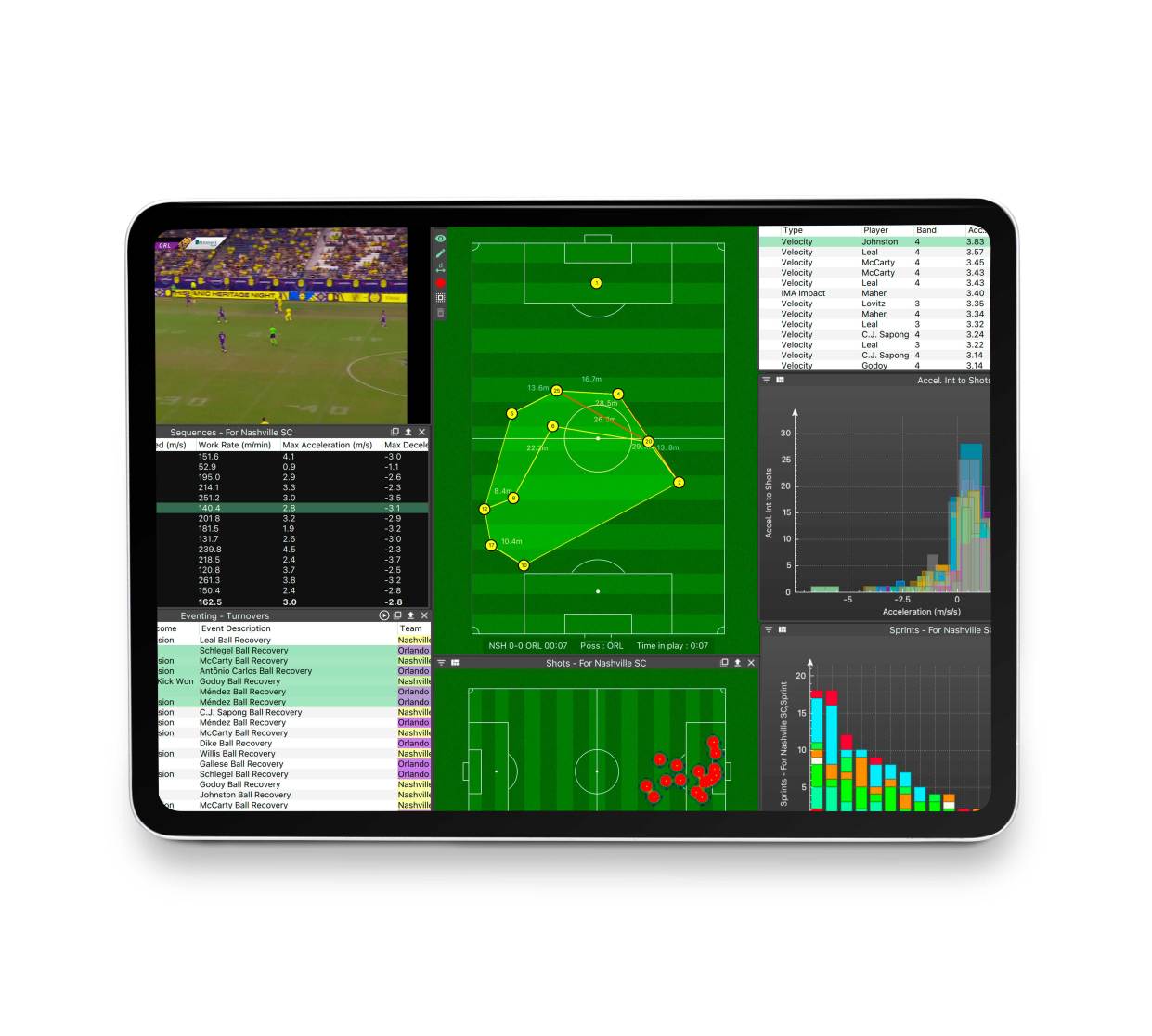
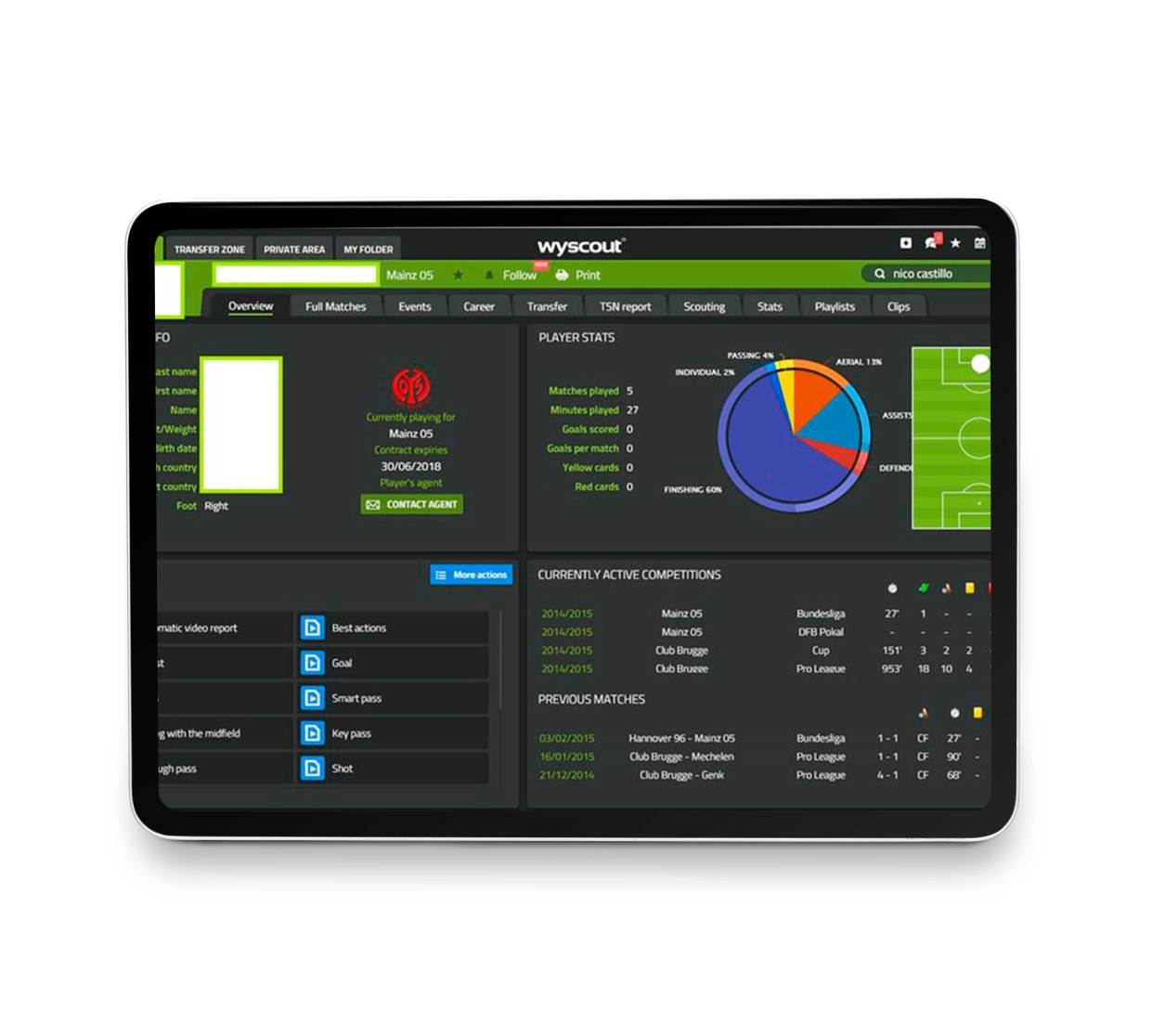
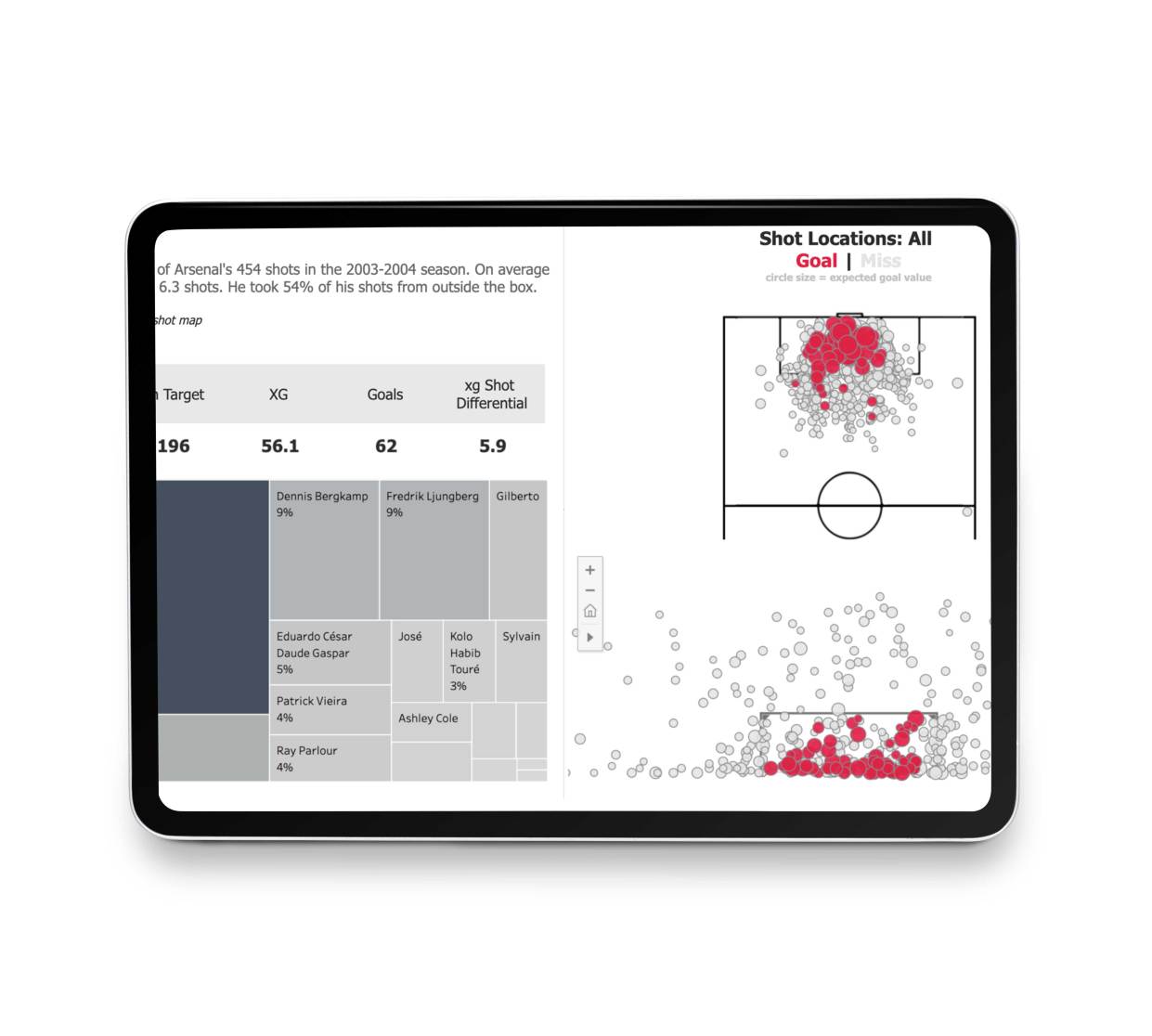
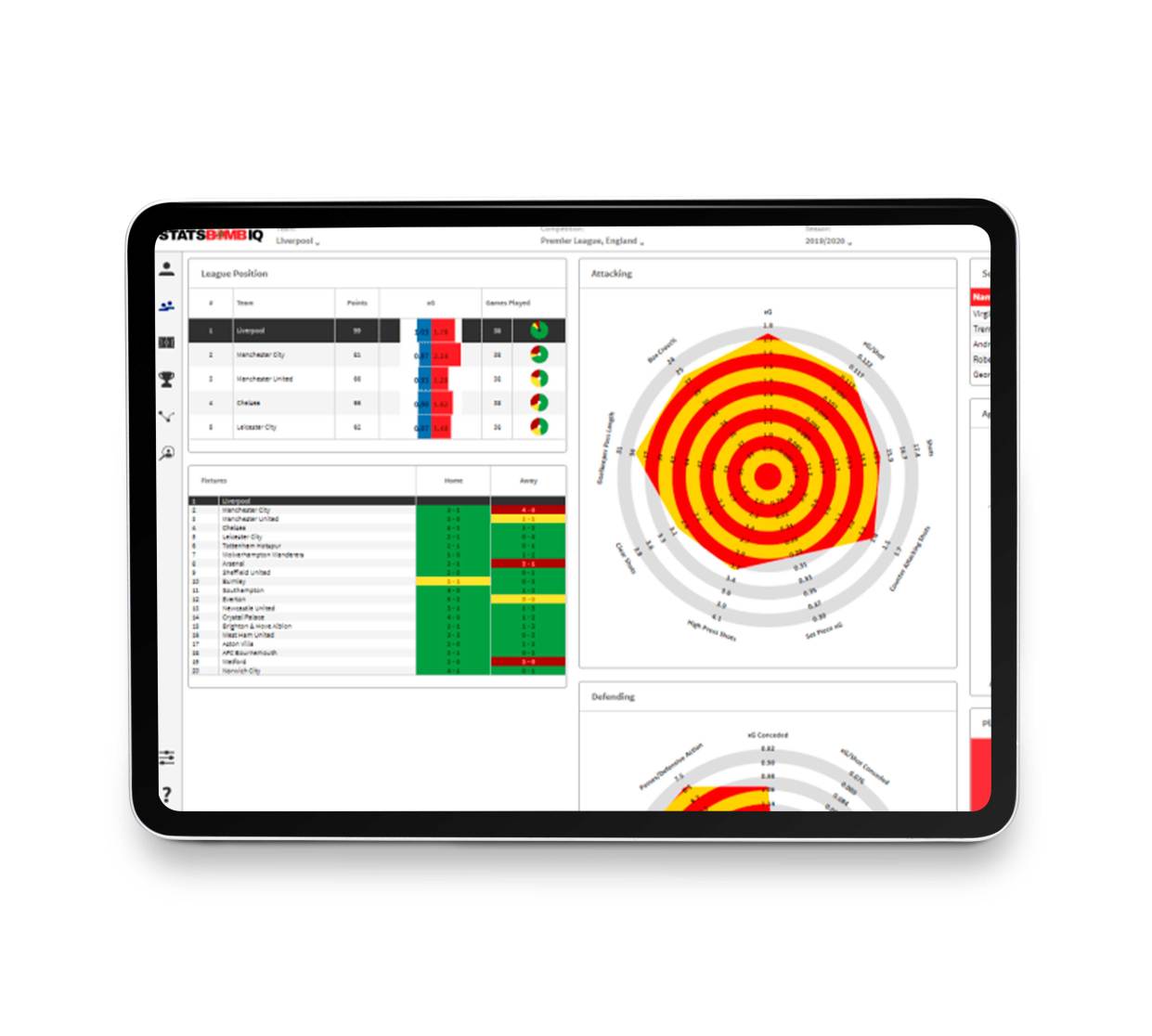
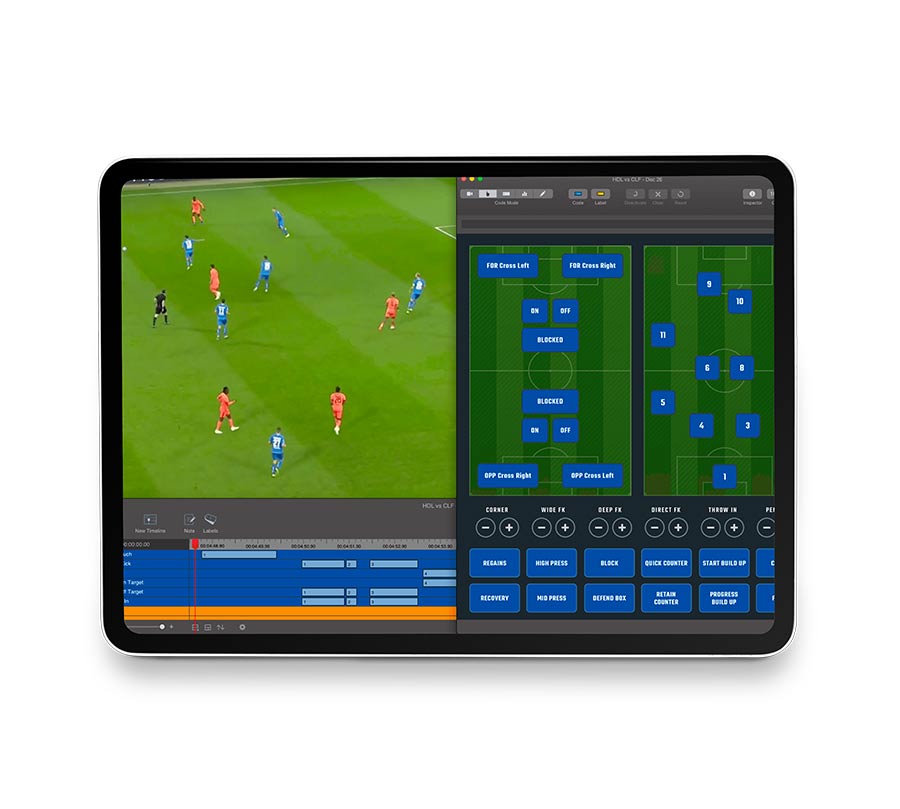
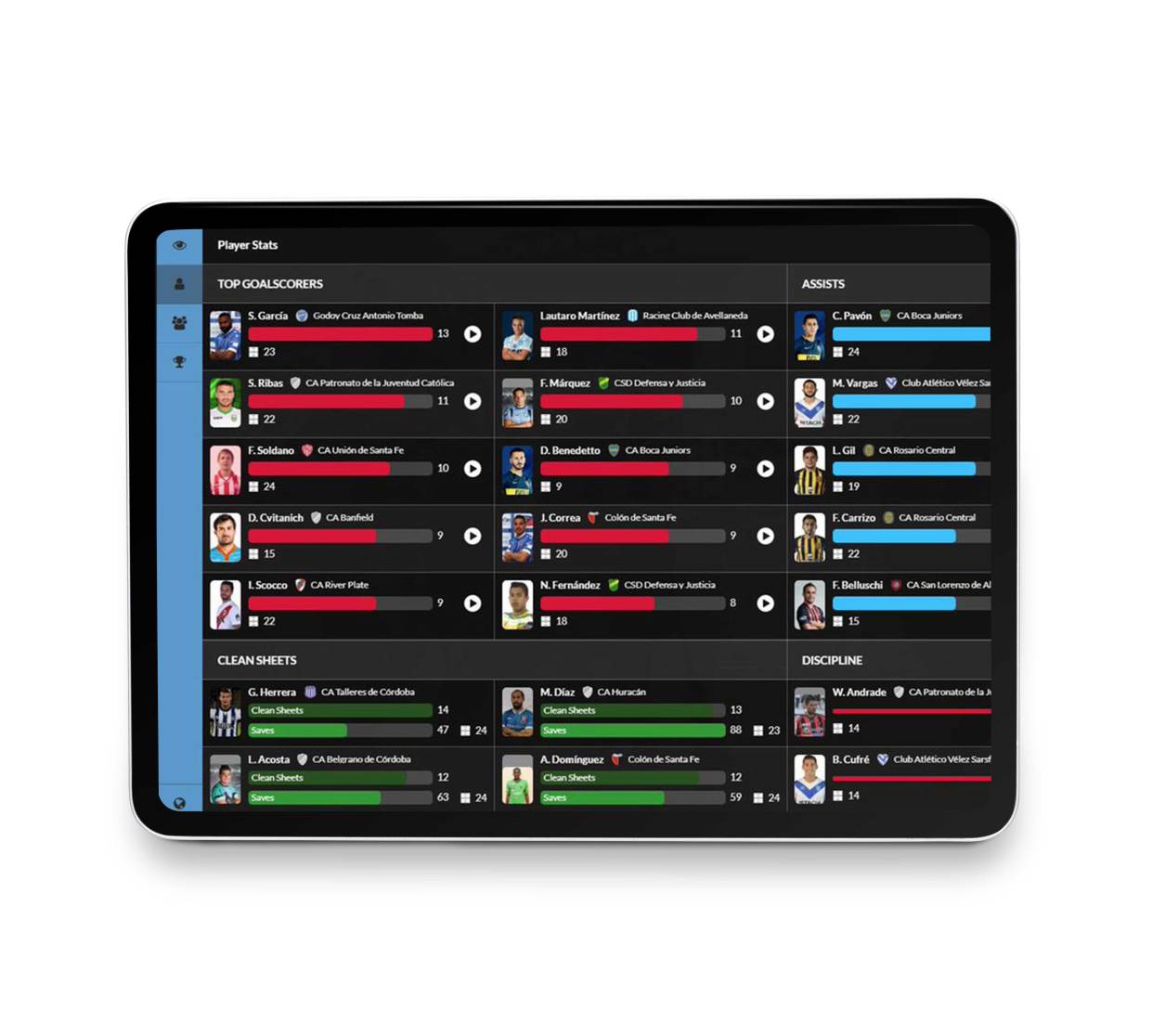
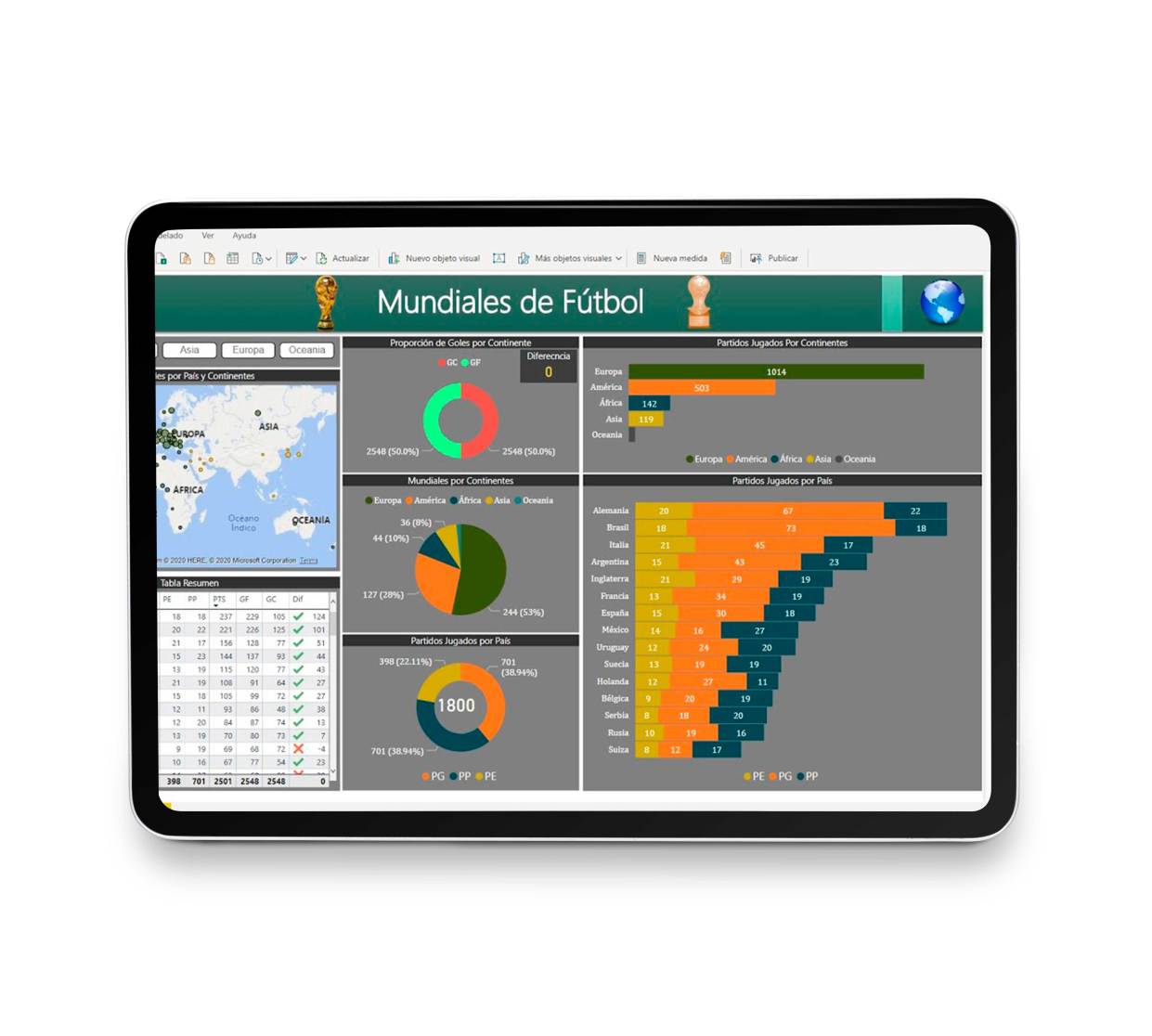
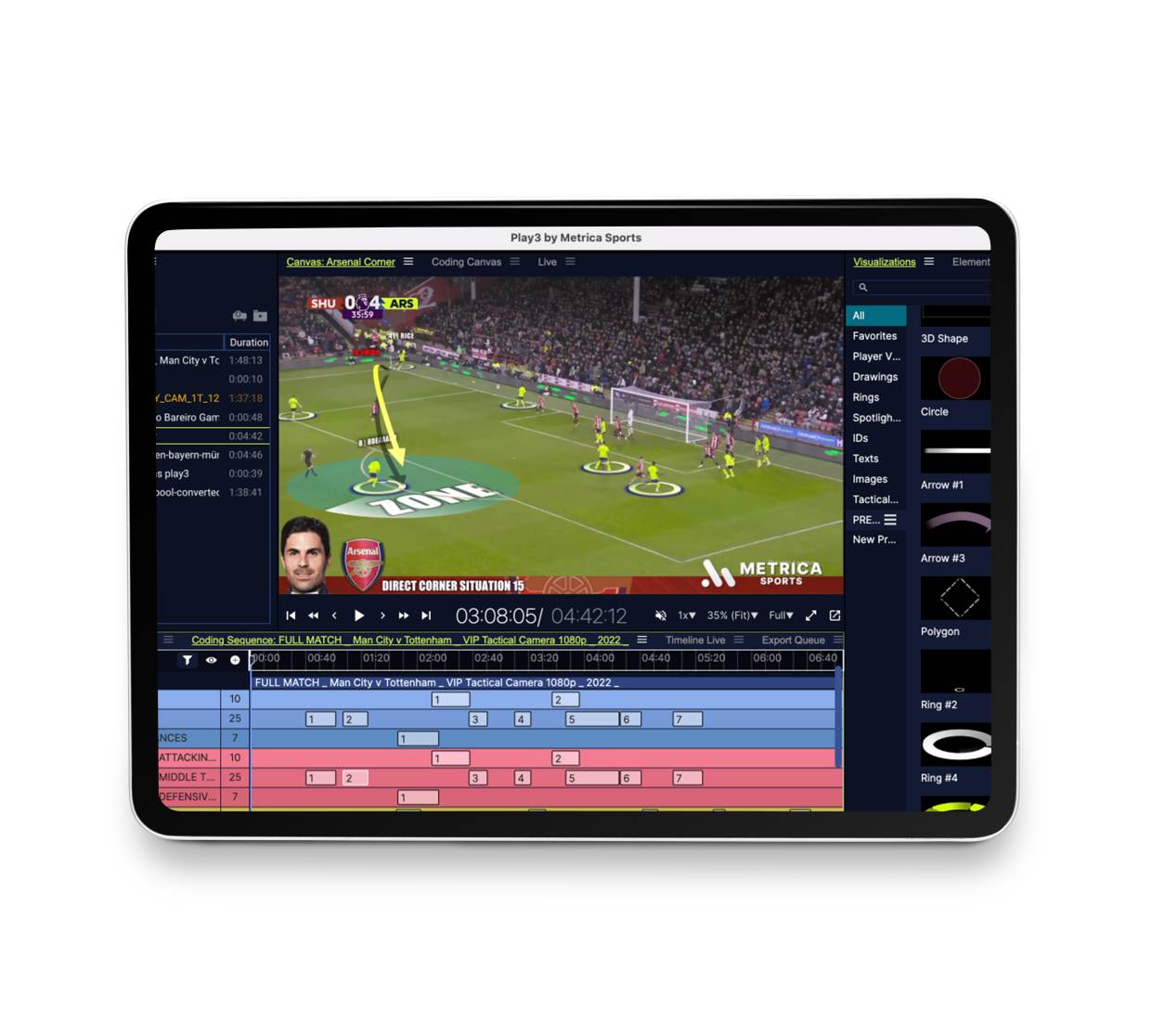
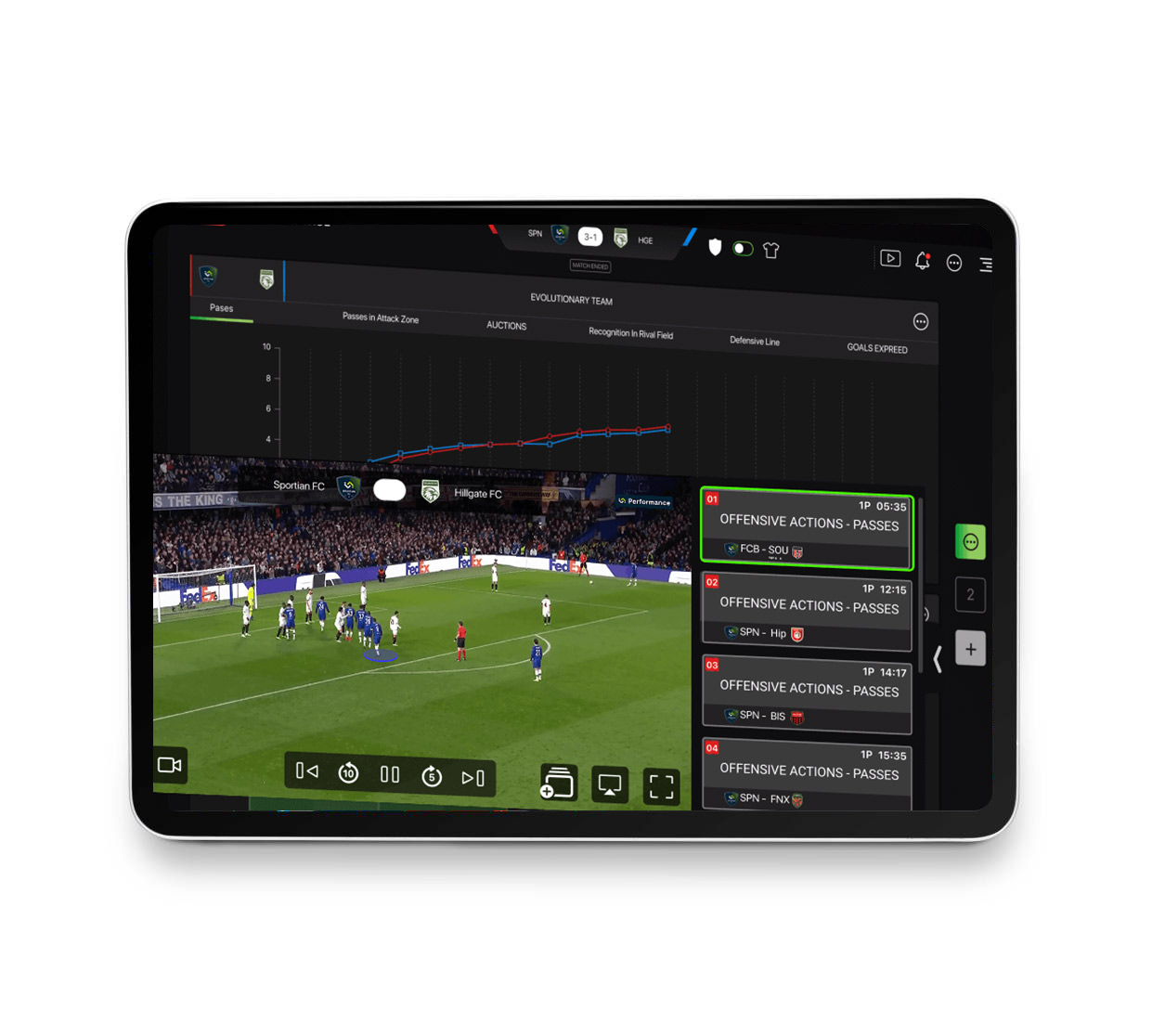
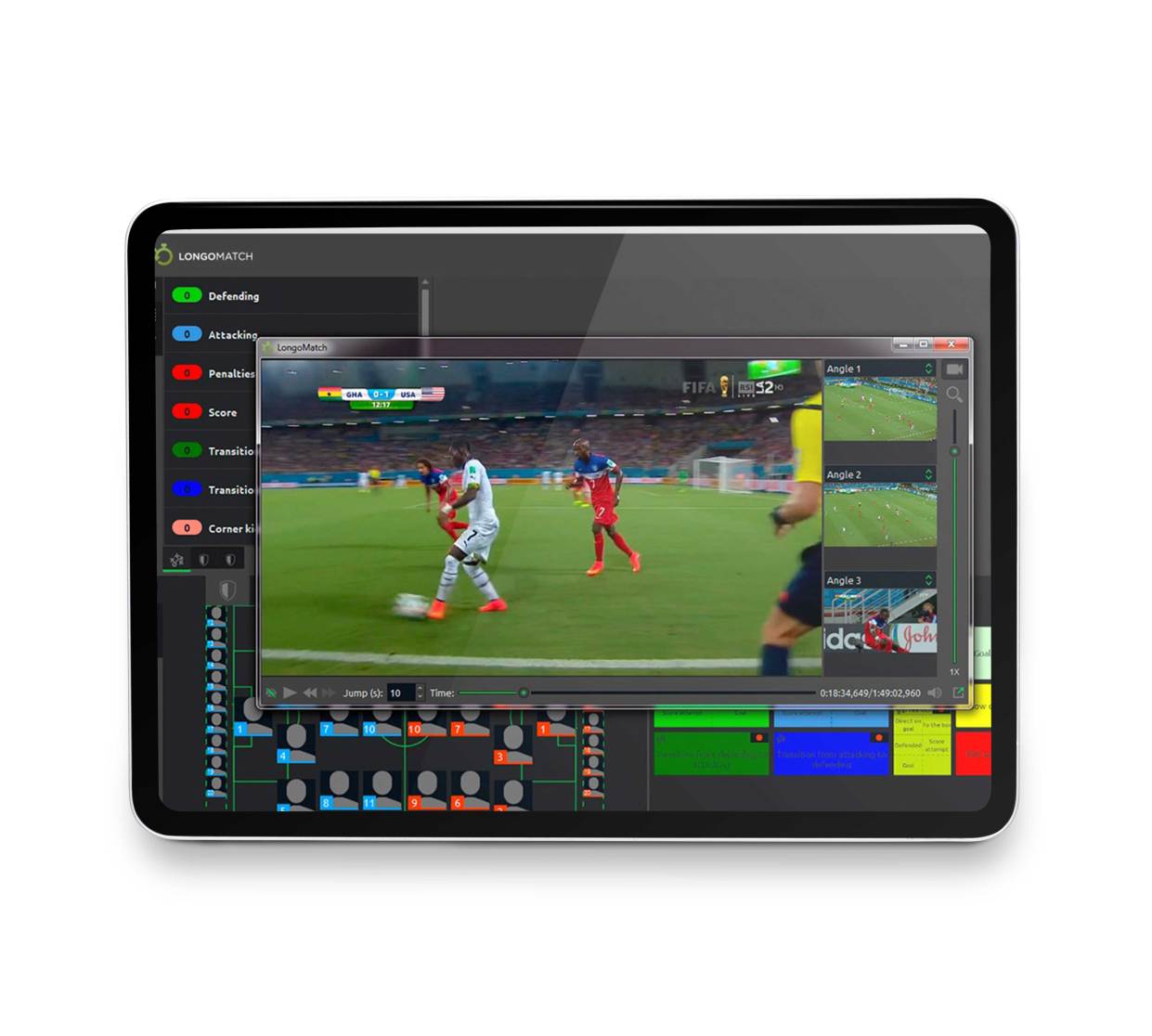
You will work with these providers of football data, tools, and video analytics platforms









Academic Management

Pedro Jimenez
Director of the global academic advising department at Sports Data Campus

Pablo Jiménez-Bravo
Project Manager MSc Data Analytics in Football
TEACHING STAFF
Top Faculty at Your Service.

Víctor Orta
Sports Director. Real Valladolid C.F

Ramón Rodríguez Verdejo "Monchi"
Sports Director at RCD Espanyol de Barcelona

Miguel Almeida Ferreira
First Team Data Analyst at Sporting Club Portugal
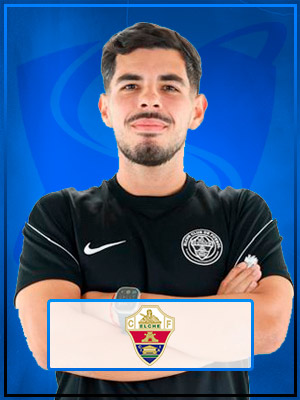
José Rodríguez
Set-Piece Coach at Elche CF

Cristóbal Fuentes
Head of Performance at Elche F.C

Pablo Sanzol
Director y consultor deportivo - Experto en fútbol profesional

Anselmo Ruiz de Alarcón
Data Analyst at US Soccer

David Fombella
StrateBI Big Data Consultant

Javier Fernández
Data Scientist en Sportian

David R. Sáez
CEO Sports Data Campus

Mikel Gandarias
Member of the Sports Management of RCD Mallorca

Jesús Olivera
Data Manager Sevilla FC
MASTERCLASS
Professional Analysts, Sports Directors, Coaches, Staff…

Juan Cornejo
Scout and Head of Data in Valencia CF

Julio Costa
Data Scientist Fulham FC

Susana Ferreras
Game Analyst in Arsenal FC

Jordi Rams
Head of First Team Analysis Department at Chicago Fire FC

César Palacios
Sport Director SD Eibar

Carles Cuadrat
Head Coach at East Bengal

Sergio Fernández
Sport Director Deportivo Alavés

Omar Bautista
Match & Scouting Data Analyst at Club Brugge

Marios Antoniadis
Cypriot National Team and Cypriot Football Federation

Mike Smith
Director of Scouting & Recruiting at Portland Thorns FC

Juan Esteban Gómez Llamas
Digitalization & Continuous Improvement. R&D+i Football at Sevilla FC

Marek Kabat
Data Analyst at Widzew Łódź

Yannick Thoelen
Football Player at KV Mechelen

Toby Saliba
Head of Data & Insights at City Football Group / Manchester City Football Club

Turid Knaak
Business Development & Communication Manager at Impect

Andrés Paz
Data Analyst at Elche CF

Joao Costa
Senior Sales Manager at Metrica Sports

Edward Sulley
Director of Customer Solutions at Huddle

Gergely Bálazs Sándor
Video Analyst SC Cambuur

Kypros Nikolaou
Talent ID and Recruitment Coordinator at Nottingham Forest FC Academy

Nacho Leblic
Director of Scouting at Portland Timbers

Haydeé Agrás
Data analyst at Brendford FC

Santiago David
Director od Academy at River Plate

Yannis Theodorou
Analyst at Olympiakos FC

Carlos Domínguez
Nacsport Sales & Management

Gabor Karpjuk
Technical Success Manager at Stats Perform

Soeren Oliver Voight
Managing Director at CoachInside

Boris Nortzton
CEO at CoachInside

André Silveira
Chief International Development Officer at Sports Data Campus

Esteve Rodríguez
Head of Data Projects at Sevilla FC

Sebastiano Cadé
Sales manager at K-Sports
MASTERCLASS
With the main players in sports data industry: data providers, services, iot devices, tools…

Luis Llagostera
CEO & Founder at Fly-Fut

Fabio Nevado
LaLiga Mediacoach

Luis Mosquera
Football Data Coordinator at FIFA
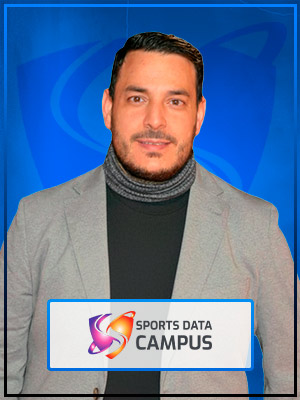
Lucas Bracamonte
Professional Extension Director at Sports Data Campus

Vasco Ferreira
Data Scientist | Siemens IT DA

Elias Zamora
Chief Data Officer Sevilla FC

Enrique Doal
Author of "Predictive methods for football and betting markets"
ALSO, YOU WILL GET FREE OF CHARGE THE «CERTIFICATE OF DATA ANALYTICS IN SPORTS MANAGEMENT», TAUGHT BY VÍCTOR ORTA AND RAMÓN RODRÍGUEZ
Do you want to work in professional environments?
Sports Data Campus Professional Extension
Sports Data Campus Professional Extension connects you with the job market. If you study one of our master’s programs, we help you take the next step in your career.
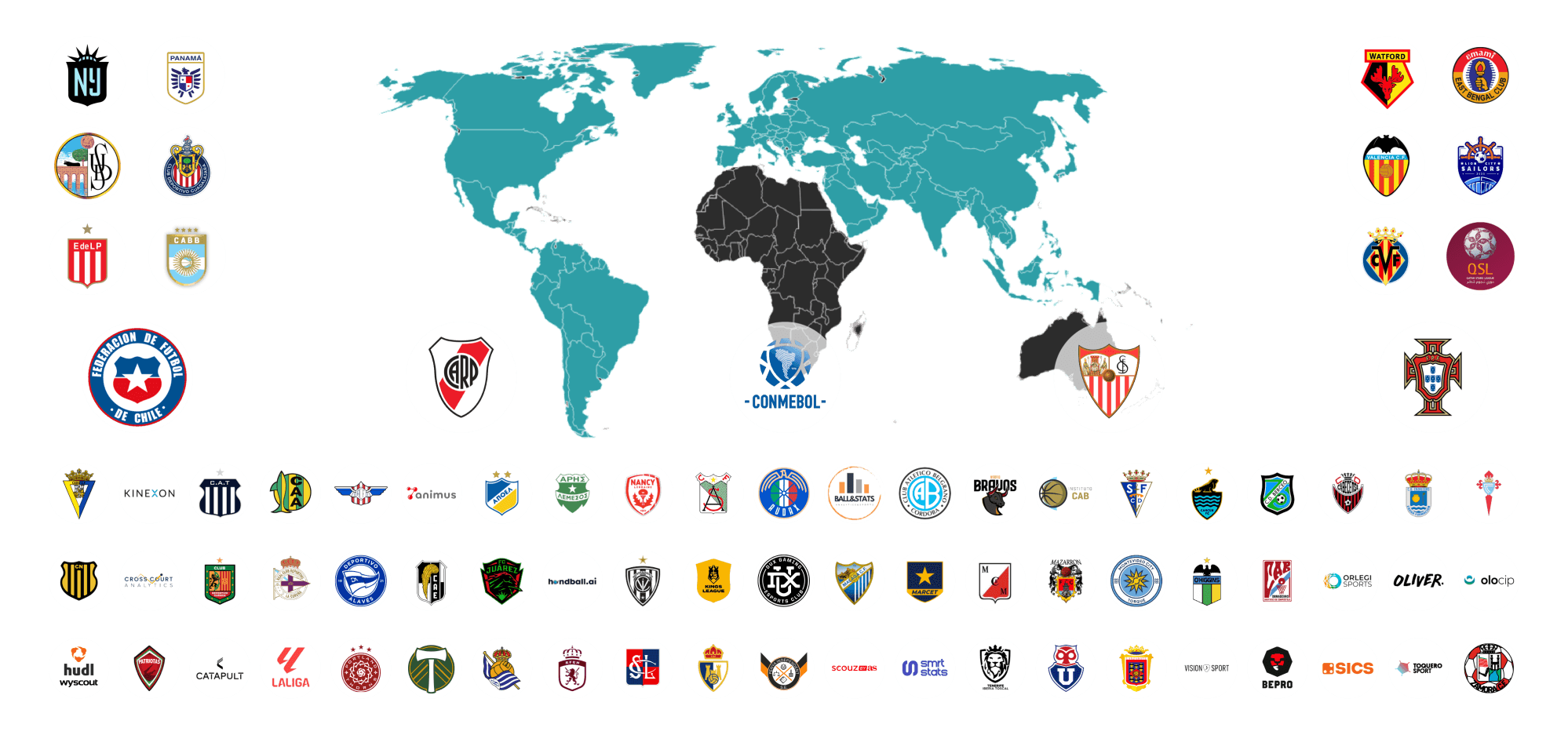
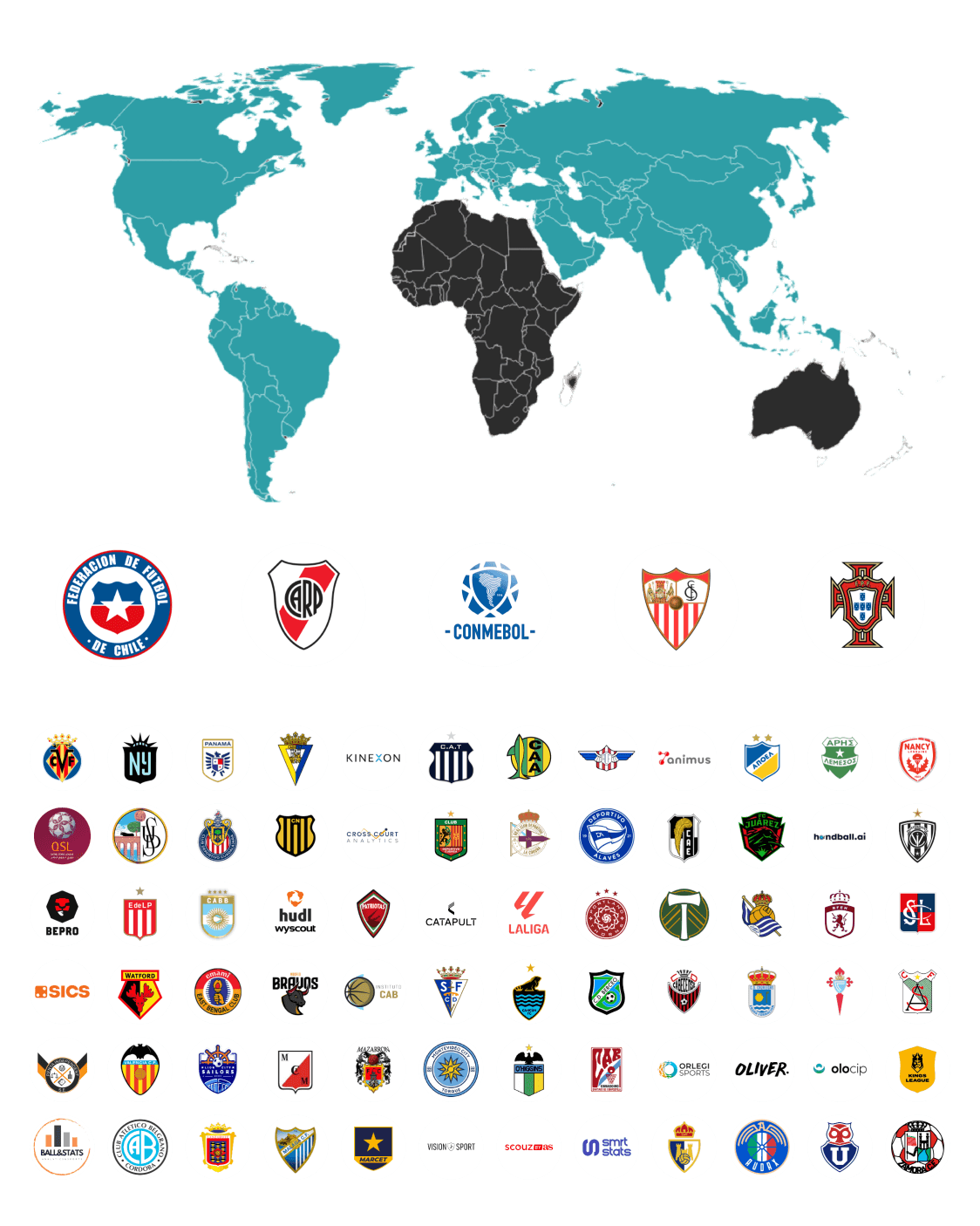
Because in collaboration lies strength
PROUD OF OUR NETWORK OF PARTNERS, WHICH CONTINUES TO GROW EVERY DAY
Clubs, Federations, Confederations and Sports Entities





































Companies and Industry



























































WHAT OUR STUDENTS SAY
We are extremely proud of every student who has trained at Sports Data Campus and is now part of this great family.
Thank you all for your effort and support! 🙂
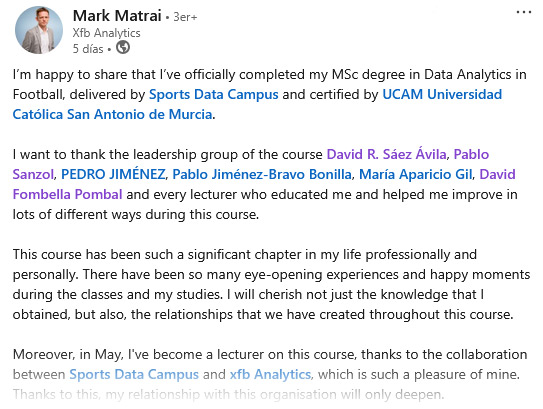
Mark Matrai
I’m happy to share that I’ve officially completed my MSc degree in Data Analytics in Football, delivered by Sports Data Campus and certified by UCAM Universidad Católica San Antonio de Murcia …
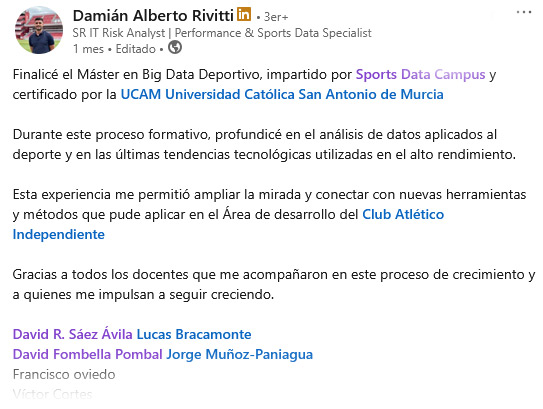
Damián Alberto Rivitti
Esta experiencia me permitió ampliar la mirada y conectar con nuevas herramientas y métodos que pude aplicar en el Área de desarrollo del Club Atlético Independiente.
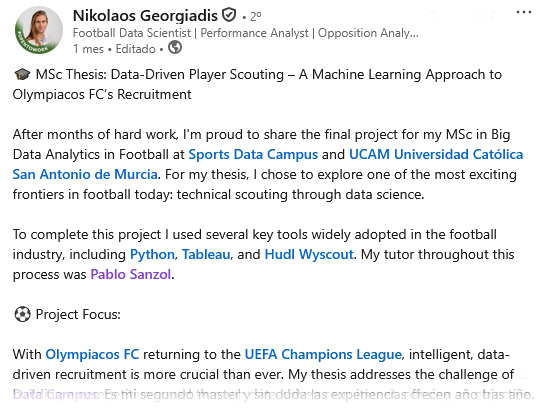
Nikolaos Georgiadis
After months of hard work, I’m proud to share the final project for my MSc in Big Data Analytics in Football at Sports Data Campus and UCAM Universidad Católica San Antonio de Murcia. …
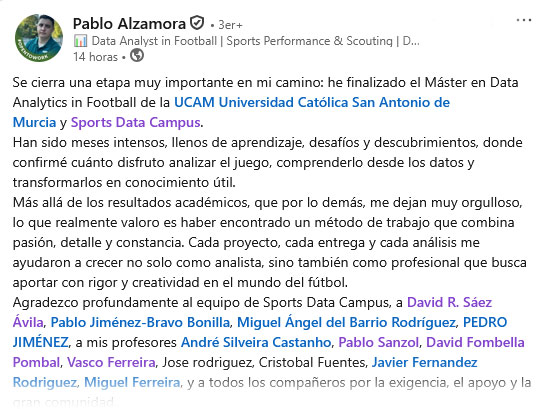
Pablo Alzamora
Han sido meses intensos, llenos de aprendizaje, desafíos y descubrimientos, donde confirmé cuánto disfruto analizar el juego, comprenderlo desde los datos y transformarlos en conocimiento útil.
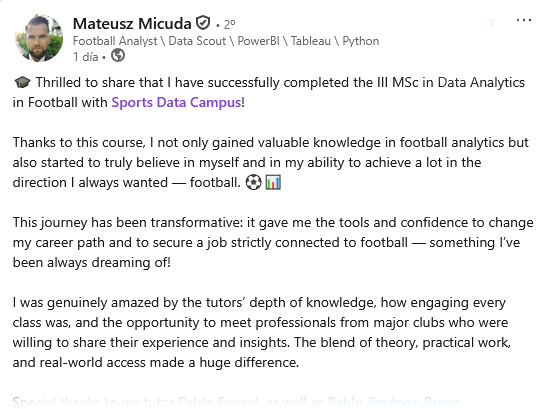
Mateusz Micuda
Special thanks to my tutor Pablo Sanzol, as well as Pablo Jiménez-Bravo Bonilla and Pedro Jiménez, who were always there to support us and offered a firm, positive push when needed
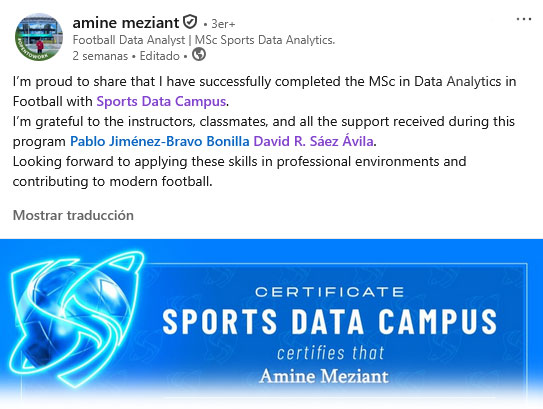
Amine meziant
I’m grateful to the instructors, classmates, and all the support received during this program Pablo Jiménez-Bravo Bonilla David R. Sáez Ávila.
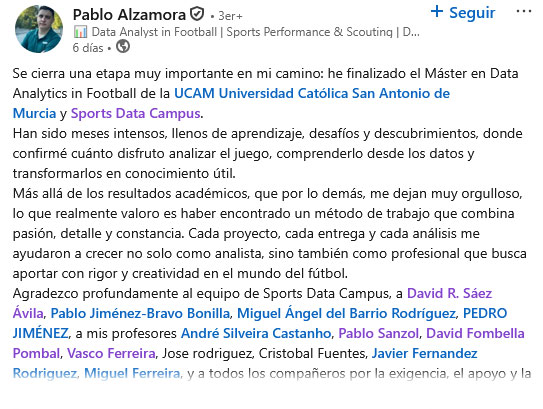
PABLO ALZAMORA
Agradezco profundamente al equipo de Sports Data Campus, a David R. Sáez Ávila, Pablo Jiménez-Bravo Bonilla, Miguel Ángel del Barrio Rodríguez, PEDRO JIMÉNEZ, a mis profesores André Silveira Castanho, Pablo Sanzol, David Fombella
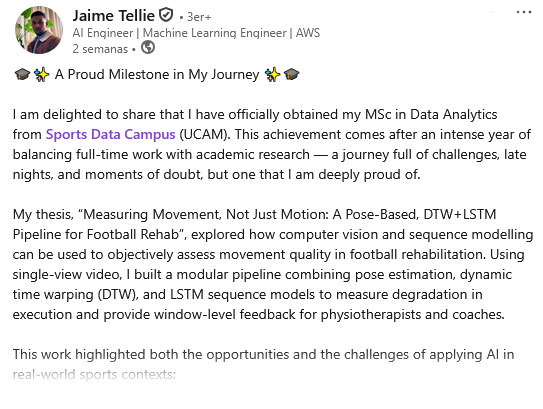
Jaime Tellie
I am delighted to share that I have officially obtained my MSc in Data Analytics from Sports Data Campus (UCAM). This achievement comes after an intense year of balancing full-time work with academic research — a journey full of challenges
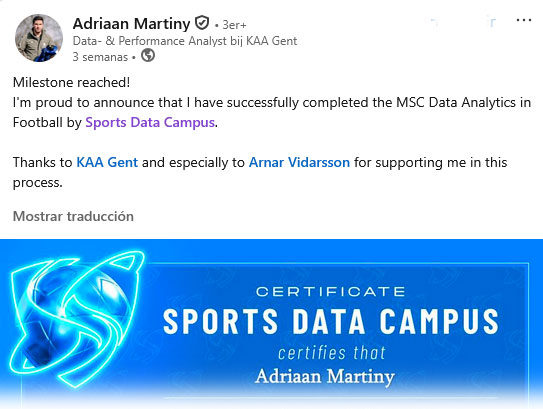
Adriaan Martiny
Milestone reached!
I'm proud to announce that I have successfully completed the MSC Data Analytics in Football by Sports Data Campus. Thanks to KAA Gent and especially to Arnar Vidarsson for supporting me in this process.
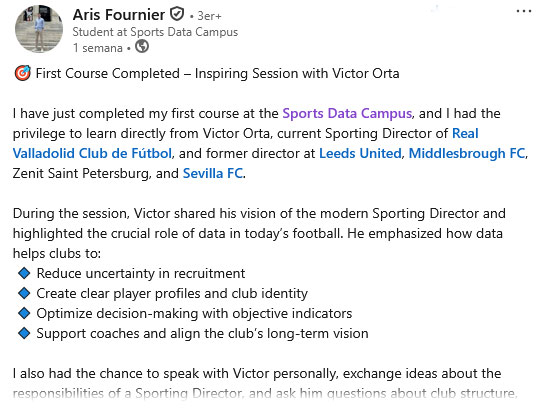
Aris Fournier
I have just completed my first course at the Sports Data Campus, and I had the privilege to learn directly from Victor Orta, current Sporting Director of Real Valladolid Club de Fútbol
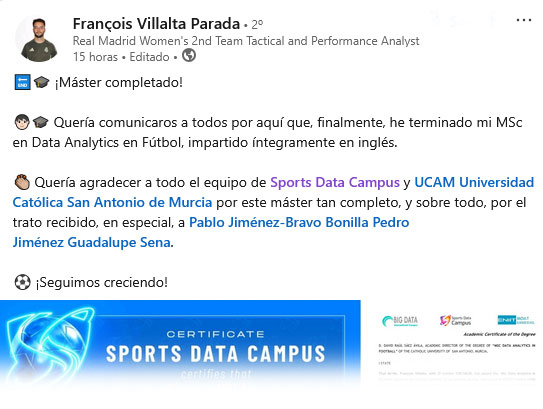
François Villalta Parada
¡Máster completado! Quería comunicaros a todos por aquí que, finalmente, he terminado mi MSc en Data Analytics en Fútbol, impartido íntegramente en inglés.
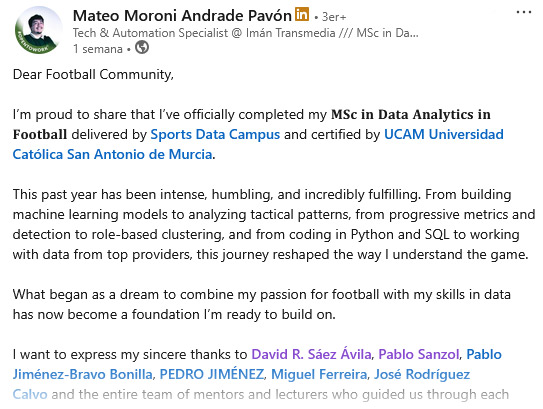
Mateo Moroni Andrade Pavón
I want to express my sincere thanks to David R. Sáez Ávila, Pablo Sanzol, Pablo Jiménez-Bravo Bonilla, PEDRO JIMÉNEZ, Miguel Ferreira, José Rodríguez Calvo and the entire team of mentors. …
FAQ – Frequently Asked Questions
VACIO
El Big Data ha abierto una puerta transversal para su óptima aplicación al deporte, en concreto, al fútbol. Por ello, es una herramienta útil para reforzar la construcción de la dirección deportiva. Es muy difícil entender uno de los estamentos más importantes de un club de fútbol sin la aplicación del dato de forma profesionalizada. En definitiva, el dato es un pilar básico que ayuda a optimizar procesos, así como a detectar talento en cualquier competición y a reducir al mínimo el factor suerte.
- Big Data y fútbol.
- Estructura, organización y planificación de una dirección deportiva de fútbol.
- Los pilares básicos de una dirección deportiva.
- El seguimiento en bruto y en neto.
- Los perfiles.
- La negociación.
- La adaptación.
- El dato y la reducción del factor suerte.
- La cantera..
Is the MSc in Data Analytics in football right for me?
The MSc in Data Analytics in Football is designed for coaches, analysts, fitness coaches, scouts, technical staff and professionals who want to specialise in football data analytics. It is also suitable for people looking to start a career in football through a data-focused professional profile.
Do I need previous experience in football analytics?
No. You do not need previous professional experience in football analytics. The MSc develops your knowledge progressively, from the foundations of football data to advanced metrics, programming, visualisation and practical applications.
Do i need programming or statistics knowledge?
No advanced technical knowledge is required. The programme develops the essential skills needed to work with Python, R, databases, statistical methods and football data visualisation.
What will I learn during the MSc?
You will learn to collect, clean, analyse, interpret and visualise football data. The programme covers performance metrics, data providers, physical-performance analysis, video analysis, databases, Python, R, Tableau and Power BI, with practical applications in football.
Are scholarships and payment plans available?
Different payment options, study support and international scholarship opportunities may be available. The admissions team reviews each candidate’s circumstances and provides information about the available alternatives.
Contact Pedro on WhatsApp to learn more about scholarships and payment options.
VACIO
El Big Data ha abierto una puerta transversal para su óptima aplicación al deporte, en concreto, al fútbol. Por ello, es una herramienta útil para reforzar la construcción de la dirección deportiva. Es muy difícil entender uno de los estamentos más importantes de un club de fútbol sin la aplicación del dato de forma profesionalizada. En definitiva, el dato es un pilar básico que ayuda a optimizar procesos, así como a detectar talento en cualquier competición y a reducir al mínimo el factor suerte.
- Big Data y fútbol.
- Estructura, organización y planificación de una dirección deportiva de fútbol.
- Los pilares básicos de una dirección deportiva.
- El seguimiento en bruto y en neto.
- Los perfiles.
- La negociación.
- La adaptación.
- El dato y la reducción del factor suerte.
- La cantera..
Which tools and technologies are covered?
The programme includes practical work with Python, R, Tableau, Power BI, SQL databases and professional football data providers. It also covers video-analysis platforms and technologies used in analysis, scouting and performance departments.
Does the programme include practical projects?
Yes. The MSc combines theoretical learning with practical exercises, football-focused case studies and professional applications. You will also complete a final project that demonstrates your technical, analytical and communication skills.
Can i combine the MSc with my Job or other studies?
Yes. The online format is designed to accommodate professional, academic and personal commitments. Recorded learning materials also allow you to review content and organise your study time more flexibly.
Are the live classes recorded?
Yes. Live sessions are recorded so you can access them afterwards, review key concepts and continue following the programme when you are unable to attend in real time.
Does the MSc facilitate professional networking?
Yes. Students have access to the Sports Data Campus community, industry professionals, faculty members, masterclasses and exclusive events, creating opportunities to connect with analysts, coaches, sporting directors, clubs and sports technology companies.
Take the Next Step in Your Career
Request information about the MSc Data Analytics in Football and speak with the Sports Data Campus academic team. We will provide personalised guidance and answer your questions about the programme, methodology, entry profile, career opportunities and admissions process.
Request Information