


Máster’s Degree in
ADVANCED PYTHONAPPLIED TO FOOTBALL
Master advanced Python applied to sports to automate processes, analyse sports data, develop machine learning models and create visualisations that support decision-making. You will work on real-world projects involving performance analysis, scouting, physical preparation and data management used by clubs and sports organisations.
REQUEST INFORMATION
Next edition: 13/10/26 · Last scholarships available · Secure your spot today!
Training Python professionals for football
In the Sports Data Campus ecosystem
Master’s degrees certified by UCAM
Available as soon as you enrol
Python to Transform Sports Analysis
The Master’s Degree in Advanced Python Applied to Sports is designed for professionals, graduates and technical profiles seeking to specialise in programming, data analysis and machine learning applied to sports.
The programme covers the collection, processing, automation and visualisation of sports data through projects related to performance, scouting, physical preparation and sports management.
Its practical methodology prepares you to develop Python-based solutions and turn data into models, reports and valuable insights for clubs, federations, technology companies and sports organisations.
IN COLLABORATION WITH:

Is the Master’s Degree in Advanced Python Applied to Sports Right for You?
The Master’s Degree in Advanced Python Applied to Sports is designed for professionals and graduates seeking to specialise in programming, data analysis, automation, machine learning and Artificial Intelligence applied to sports.
This programme is particularly suitable for:
- Data analysts, data scientists, engineers and developers.
- Graduates in Big Data, Computer Science, Mathematics, Statistics, Engineering, Economics and related fields.
- Sports professionals seeking to apply Python to performance analysis, scouting, physical preparation and sports management.
You will develop the skills to automate processes, analyse large volumes of data and create models and visualisations used by clubs, federations, technology companies and sports organisations.
 UPON COMPLETING THE MASTER’S PROGRAM
OFFICIAL DUAL CERTIFICATION
Upon completing the master’s program, you will receive a dual certification awarded by UCAM and Sports Data Campus.

Official UCAM Certification
At UCAM, we have more than 20 years of experience in academic education. Our university has been recognised by prestigious international rankings, placing it among the top 10 universities in Europe for teaching quality, according to the Times Higher Education (THE) ranking. We are among the Spanish universities with the lowest dropout rates and the highest employability levels among students. At UCAM, we are constantly evolving and at the forefront of technology and tools to deliver a leading learning experience at both national and international level.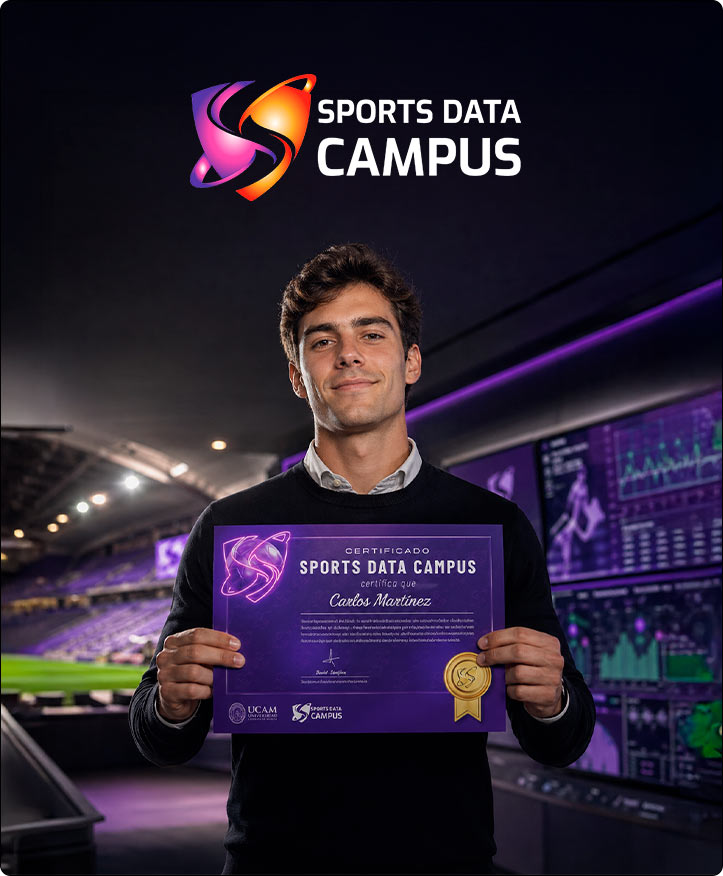
Official SDC Certification
Sports Data Campus is the leading school for specialised training in Big Data, advanced analytics and Artificial Intelligence applied to sport. We were created to respond to an increasingly clear reality: professional sport can no longer be understood without data. We train the professionals who lead change in clubs, federations, agencies and companies across the industry, combining strategic vision, practical application and a methodology aligned with the labour market. Our programs are designed to turn data into decisions, performance and competitive advantage. At Sports Data Campus, you do not just learn theory: you develop the skills that today’s sports industry demands to analyse, interpret and transform information into real impact. Because the future of sport is built with talent, technology and applied knowledge.
FROM ENROLMENT
CERTIFIED DIPLOMAS INCLUDED WITH YOUR ENROLMENT, VALUED AT OVER $5,000
You can obtain them from the moment you enrol until you complete the Master’s programme.

CERTIFIED DIPLOMA IN
Fundamentals of Football Analysis

CERTIFIED DIPLOMA IN
Sports Statistics with R

CERTIFIED DIPLOMA IN
Advanced Analytics with Python

CERTIFIED DIPLOMA IN
Fundamentals of Data Visualisation

CERTIFIED DIPLOMA IN
Generative AI Applied to Sport

CERTIFIED DIPLOMA IN
Soft Skills
DURING THE MASTER’S PROGRAM
COMPLEMENTARY TRAINING INCLUDED
We partner with leading companies in the sports industry to offer you the following certifications, helping you build a more competitive profile.
PROFESSIONAL INDUSTRY CERTIFICATIONS







IINS Recognition · March 2026
The Institute for Spanish Sports Quality grants this extraordinary distinction to Sports Data Campus, in recognition of its leadership, impact, and outstanding contribution to the strategic development of the sports ecosystem, and certifies that the institution meets the requirements and standards established for the sports quality seal.

At Sports Data Campus, we sign the best instructors for you

Career Opportunities
Graduates of the Master’s Degree in Advanced Python Applied to Football will be prepared to pursue professional roles including:

Data Scientist
Specialist in analysing and interpreting large volumes of data to support strategic decision-making.

Data Analyst
Processes, analyses and visualises data to uncover valuable insights across the football industry.

Data Engineer
Designs, builds and maintains scalable and efficient data infrastructures for football and sports organisations.

Python Data Developer
Creates applications, analytical tools and automated solutions using Python as the primary programming language.

Machine Learning and AI Specialist
Develops predictive models and advanced algorithms for automation, performance analysis and technological innovation.

Python Automation Specialist
Implements scripts and automated tools to optimise workflows and improve operational efficiency.

Sports Data Consultant
Advises clubs and sports organisations on using data to improve performance and support decision-making.

Football Data Analyst
Applies data analysis to football to improve player and team performance, scouting and tactical planning.

ACCESS TO THE INTERNATIONAL PROGRAM IN
SCHOLARSHIPS
Access the international scholarship programme for the Master’s Degree in Advanced Python Applied to Football and discover the available funding options to specialise in data analysis, advanced Python and Artificial Intelligence applied to professional football.
Why Study the Master’s Degree in Advanced Python Applied to Football?
The Master’s Degree in Advanced Python Applied to Football will enable you to develop skills in programming, data analysis, automation, machine learning and data visualisation applied to football. You will learn to build Python-based solutions for processing information, creating predictive models and supporting decision-making within clubs, federations and sports organisations.
Por que fazer o nosso Mestrado?
Realizar um mestrado no Sports Data Campus permitir-te-á formar-te com especialistas do setor, adquirir ferramentas avançadas para gerir e analisar dados aplicados ao desporto, e destacar-te num mercado em constante evolução que exige profissionais altamente capacitados

UNIQUE EDUCATION
Exclusive, industry-focused content

LEADING CAMPUS
A global community focused on Big Data and sports

OVER 3,100 STUDENTS
Professionals trained across major leagues and sports

REAL PARTNERSHIPS
Over 100 professional clubs and teams

CONTINUOUS SUPPORT
We are always available to support you

NETWORKING
Discover opportunities within our professional community

OFFICIAL CERTIFICATION
Master’s degree certified by UCAM

TOP FACULTY
Masterclasses and exclusive events with industry experts

SCHOLARSHIPS
Discover our scholarship and study support programme

PROFESSIONAL PORTFOLIO
Build a portfolio through your final project and practical work
Free access to Google AI Plus
Research and
prepare better
Advance your
career
Create content
effortlessly
400 GB of
storage


What we offer you
THE PROGRAM
A TRAINING PROGRAM THAT WILL REVOLUTIONIZE THE WORLD OF PYTHON IN SPORTS. HERE IT IS:
XXXX
Your content goes here. Edit or remove this text inline or in the module Content settings. You can also style every aspect of this content in the module Design settings and even apply custom CSS to this text in the module Advanced settings.
MODULE 1. AI-ASSISTED DEVELOPMENT TOOLS FOR SPORTS DATA ANALYSIS (3 ECTS)
Innovative course designed to immerse students in the practical use of AI-assisted programming tools, demonstrating how these technologies are redefining the contemporary software development cycle. The module provides a comprehensive view of applied AI, with special emphasis on advanced solutions and their real impact on a rapidly growing industry. Beyond technical knowledge, it fosters a proactive and critical approach, preparing students to add differentiated value in modern sports analytics.
- Introduction to AI-Assisted Development Tools
- Overview of AI tools in software development.
- Benefits and limitations of using AI assistants in programming.
- Examples of how AI tools are transforming software development.
- Using Code Assistants and AI Tools in Python
- Introduction to GitHub Copilot, ChatGPT, and other code-assistance tools.
- Practical cases and examples of how these tools can accelerate coding and improve code quality in sports data analysis projects.
- Optimizing Data Analysis Processes with AI Tools and Static Code Analysis
- Using Mito for interactive data exploration and simplifying the data analysis process.
- Applying Blackbox Code to optimize and understand large codebases.
- Introduction to static code analysis with Pylint, Mypy, and refactoring tools such as Rope and Vulture.
- Practical exercises to improve code quality using static analysis and refactoring.
MÓDULO 2. USE OF THE PANDAS LIBRARY APPLIED TO SPORTS (3 ECTS)
In this course, students will discover the pandas library and learn to create Series and DataFrames; clean, index, filter, and transform data for analysis in Python. Techniques for grouping, aggregation, and effective visualization, including building dashboards, will also be covered. The course concludes by teaching how to handle and interpret errors and warnings, controlling them with exceptions to ensure reliable code.
- Introduction to the pandas library
- What is pandas and why is it important in data analysis?
- Installation and setup of pandas in development environments.
- Structure and features of pandas data objects.
- Data structures in pandas
- Series and DataFrames
- Creating and manipulating Series in pandas.
- Creating and manipulating DataFrames in pandas.
- Indexing and selecting data in Series and DataFrames.
- Data manipulation and cleaning with pandas
- Cleaning and transforming inconsistent or missing data.
- Handling duplicate data and outliers.
- Combining datasets and resolving conflicts.
- Indexing and filtering data in pandas
- Indexing and selection based on labels and positions.
- Filtering data using logical conditions and boolean expressions.
- Using advanced indexing and filtering methods in pandas.
- Operations and transformations in pandas
- Performing arithmetic and logical operations on pandas data.
- Applying functions to columns and rows in DataFrames.
- Transforming and manipulating data using pandas functions and methods.
- Grouping and aggregation of data in pandas
- Grouping data based on specific criteria.
- Calculating descriptive statistics and aggregations for data groups.
- Applying custom functions to data groups in pandas.
- Data visualization with pandas
- Using pandas to create basic visualizations, such as bar charts and line plots.
- Customizing charts and visual representation of data in pandas.
- Exploring and presenting data using pandas visualization tools.
- Exception handling in pandas
- Introduction to exception handling and its importance for code robustness.
- Implementing try, except, else, and finally blocks in scripts using pandas.
- Creating custom exceptions to handle specific errors in data manipulation.
- Packaging Functions and Publishing on PyPI
- Principles of packaging Python code for reuse and distribution.
- Creating a package with custom functions that use pandas.
- Documenting and structuring a package according to PyPI standards.
- Steps to publish the package on the Python Package Index (PyPI) and version management.
MÓDULO 3. READING SPORTS DATASETS IN CSV, EXCEL, XML, HTML, AND JSON (3 ECTS)
An innovative course that immerses students in the practical use of AI-assisted programming tools, showing how these technologies are redefining the contemporary software development cycle. The module provides a global view of applied AI, with special emphasis on advanced solutions and their real impact in a continuously growing industry. In addition to solid technical knowledge, it fosters a proactive and critical approach, preparing students to contribute differential value in modern sports analytics.
- Introduction to data file reading
- Importance of file reading in data analysis.
- Types of data files used in the context of sports analysis.
- Considerations and best practices when reading data files in Python.
- Reading and writing CSV files in Python
- Using the pandas library to read and write CSV files.
- Setting parameters and options when reading CSV files.
- Manipulating and transforming CSV data using pandas.
- Reading and writing Excel files in Python
- Using the pandas library to read and write Excel files.
- Manipulating and transforming spreadsheet data using pandas.
- Using specific pandas functions to interact with Excel data.
- Reading and writing XML files in Python
- Using the xml.etree.ElementTree library to read and write XML files.
- Extracting and manipulating XML data using library methods.
- Transforming and structuring XML data for further analysis.
- Reading and writing JSON files in Python
- Using the json library to read and write JSON files.
- Extracting and manipulating JSON data using library methods.
- Transforming and structuring JSON data for further analysis.
- Data manipulation in different formats
- Converting between data file formats (CSV, Excel, XML, HTML, JSON) using pandas.
- Extracting, combining, and transforming data from different formats.
- Applying cleaning and data preparation techniques in different formats.
- Reading multiple files from the same directory and unifying them into one.
MÓDULO 4. DATA CAPTURING TECHNIQUES FROM SPORTS SOURCES (3 ECTS)
This course provides a professional immersion in sports scraping for both static and dynamic web pages. Students will master a range of tools that automate the capture of statistics from any web source. In addition to BeautifulSoup, it includes Selenium, client-server architecture, and advanced use of browser development tools. Students will learn to identify and manipulate APIs, headers, and cookies, creating reliable automations for systematic data extraction. Techniques for “humanization” are covered to prevent blocks and ensure consistent processes. All concepts are applied to practical cases, enabling analysts and scouts to build robust systems that feed advanced analysis. This module is ideal for professionals in analytics, scouting, or sports technology who need automated access to data not provided by conventional APIs.
- Fundamentals of Web Scraping
- Introduction to web scraping and its strategic application in sports data analysis
- Web architecture: understanding the client-server flow and its impact on data extraction
- Browser development tools: element inspector, network, console, and application
- Extraction Techniques for Static and Dynamic Pages
- Basic structure of web pages (HTML, CSS, JavaScript)
- Identification of advanced selectors (XPath, CSS selectors)
- BeautifulSoup for static pages: efficient extraction of tables and structured data
- Selenium for dynamic content: automated navigation and interaction with JavaScript elements
- Advanced Automation and Handling Hidden APIs
- Detection and exploitation of internal APIs in sports websites
- Manipulation of headers, cookies, and session parameters
- “Humanization” techniques to avoid blocks and limitations (timing, user-agent rotation)
- Parallelization and optimization of large-scale extraction processes
- Storage and Processing of Extracted Data
- Structuring and cleaning extracted sports data
- Automation of complete workflows: extraction – processing – storage
- Scheduling periodic extractions to track competitions
- Legal and Ethical Aspects of Professional Web Scraping
- Legal framework applicable to sports data extraction
- Analysis of txt and rate limits
- Best practices for responsible and sustainable scraping
- Applied Projects in Sports Analysis
- Construction of historical performance datasets for teams/players
- Automated scouting and talent tracking systems
- Multichannel extraction: combining data from different sources for integrated analysis
- Implementation of a complete extraction system for competitive analysis
MÓDULO 5. APIS FOR SPORTS ANALYTICS (3 ECTS)
In this course, students will learn to interact with APIs in Python and use them as a data source for sports data analysis. They will learn how to make API requests, obtain and process the retrieved data, and combine information from different sources through APIs. The course also covers the integration of external data into analysis and the evaluation of the quality and relevance of data obtained through APIs. By the end of this module, students will be able to use APIs as a powerful tool to obtain up-to-date data and enrich sports data analysis.
- Introduction to APIs and their importance in sports data analysis
- Concept and role of APIs in the context of sports data analysis.
- Benefits and applications of using APIs to obtain updated data.
- Examples of popular APIs used in the sports field.
- Interacting with APIs in Python
- Using libraries such as requests and urllib to make API requests.
- Authentication and handling access tokens to access API data.
- Managing responses and errors when interacting with APIs in Python.
- Obtaining sports data through APIs
- Identifying and selecting relevant APIs to obtain sports data.
- Examples of APIs used in sports to get information such as match results, player statistics, etc.
- Extracting and storing data obtained from APIs in a format suitable for analysis.
- Manipulating and processing data obtained from APIs
- Cleaning and transforming data obtained from APIs for analysis.
- Selecting and filtering relevant data using data manipulation techniques in Python.
- Applying operations and transformations on the data to obtain meaningful information.
- Integrating data from different sources through APIs
- Using APIs to obtain data from different sources and combine them into a single dataset.
- Normalizing and unifying data from multiple APIs.
- Solving data quality and consistency issues when integrating information from different sources.
- Using external data in sports data analysis
- Incorporating external data obtained through APIs into analyses and visualizations.
- Evaluating the relevance and quality of external data in the context of sports analysis.
- Performing comparative analyses and correlations using both internal and external data.
MÓDULO 6. MANAGEMENT OF SPORTS DATABASES AND CLOUD SERVICES (4 ECTS)
This course will provide students with the necessary skills to work efficiently with databases, a crucial component in sports data analysis, allowing them to manage large volumes of information and extract valuable insights for decision-making.
- Fundamentals of Databases and SQL:
- Basic principles of relational databases: tables, relationships, primary and foreign keys.
- Introduction to Structured Query Language (SQL), essential for data manipulation and querying.
- Introduction to MySQL and AWS RDS:
- This section will focus on teaching students how to use MySQL, a widely used database management system.
- Creating an Amazon RDS (Relational Database Service) account for database creation and management in the cloud.
- Connecting and Manipulating Databases with Python:
- Connecting Python to a database using the MySQL library.
- Executing basic operations such as SELECT, INSERT, UPDATE, DELETE, and CREATE VIEW.
- Advanced Queries:
- Joins
- String Functions
- Date and Time Functions
- Conversion Functions
- Aggregation Functions
- Flow Control Functions
- Mathematical Functions
- Group Functions
MÓDULO 7. LIBRARIES FOR SPORTS DATA VISUALIZATION (PLOTLY AND MPLSOCCER) (3 ECTS)
In this course, students will master Plotly to create and customize bar, line, and scatter charts, and explore mplsoccer to create football heatmaps, pass maps, and radar charts. They will also learn to present results clearly and persuasively. By the end, they will be able to produce impactful visualizations with Plotly and mplsoccer applied to football data analysis.
- Introduction to the Plotly library and its visualization capabilities
- Overview of the Plotly library and its use in data analysis.
- Main advantages and features of Plotly compared to other visualization libraries.
- Setting up and preparing the working environment to use Plotly in Python.
- Creating bar, line, scatter, and other types of charts with Plotly
- Using Plotly to generate bar charts, line charts, and scatter plots.
- Customization and configuration of charts created with Plotly.
- Incorporating interactivity in Plotly charts to explore and analyze data.
- Visualizing football-specific data using the mplsoccer library
- Introduction to the mplsoccer library and its focus on football data visualization.
- Creating football-specific visualizations such as heatmaps, pass maps, and radar charts.
- Customization and configuration of visualizations created with mplsoccer to highlight relevant information.
- Creating heatmaps, pass maps, and radar charts with mplsoccer
- Using mplsoccer to generate heatmaps showing event density on a football pitch.
- Creating pass maps to visualize player interactions and areas of high activity.
- Generating radar charts to compare the performance of players or teams across different aspects of the game.
- Effective presentation of visual results using Plotly and mplsoccer
- Incorporating visualizations created with Plotly and mplsoccer into reports and presentations.
- Selecting appropriate charts and visualizations to effectively communicate analysis results.
- Using visual elements and information design to enhance understanding and impact of visual results.
MÓDULO 8. CREATION AND DEPLOYMENT OF APPLICATIONS IN STREAMLIT (4 ECTS)
This course will not only teach students how to create applications with Streamlit, but also provide hands-on experience in launching their applications and troubleshooting common deployment and security issues.
- Introduction to Streamlit
- Basic concepts of Streamlit and its advantages for data analysis.
- Installation and setup of the development environment for Streamlit.
- Structure and basic components of a Streamlit application.
- Developing User Interfaces with Streamlit
- Designing the user interface using Streamlit widgets.
- Managing user input and controlling application state.
- Best practices for designing intuitive and appealing interfaces.
- Integrating Data Analysis in Streamlit
- Incorporating Python data analysis code into Streamlit.
- Visualizing sports data using interactive charts in Streamlit.
- Use cases for real-time analysis and presentation of results.
- Deployment of Streamlit Applications
- Methods for deploying Streamlit applications, including Streamlit Sharing.
- Configuration and use of deployment platforms such as Heroku and AWS.
- Security and access management in deployed Streamlit applications.
MÓDULO 9. DASH WITH PLOTLY FOR CREATING SPORTS DATA CENTRALIZATION APPLICATIONS (6 ECTS)
This course introduces Dash and its integration with Plotly to create interactive web apps in Python. Students will design layouts, configure components, add interactivity, and deploy projects on Heroku or AWS with login systems. They will develop flexible sports dashboards to explore and visualize data. By the end, they will be able to build and publish complete applications and dashboards with Dash and Plotly focused on sports analysis.
- Introduction to the Dash library and its application in creating interactive web applications
- Basic concepts of Dash and its integration with Plotly for building web applications.
- Main advantages and features of Dash in developing interactive applications.
- Setting up the working environment to use Dash in Python.
- Designing layouts and components for web applications with Dash
- Creating responsive layouts using Dash’s grid system.
- Configuration and customization of basic components such as buttons, charts, and tables.
- Organizing and structuring the user interface in a Dash web application.
- Creating charts and interactive components in web applications with Dash
- Using Dash callbacks to create interactivity between components and charts.
- Dynamically updating charts and visualizations in response to user events.
- Implementing interactive filters and selections to explore data in real time.
- Deployment of web applications created with Dash on cloud services like Heroku and AWS
- Preparation and configuration of a Dash web application for deployment on cloud services.
- Using platforms like Heroku and AWS to deploy and host Dash web applications.
- Configuring custom domains and security settings when deploying web applications.
- Implementation of login systems in web applications with Dash
- Incorporating authentication and authorization systems in Dash web applications.
- Creating login pages and managing users in Dash.
- Protecting and controlling access to specific functionalities in web applications.
- Development of interactive dashboards for sports data analysis
- Applying the concepts and techniques learned in Dash to develop interactive dashboards.
- Integrating visualizations, charts, and components into a complete dashboard.
- Configuring control panels, filters, and widgets to explore and analyze sports data.
MÓDULO 10. MACHINE LEARNING AND AI APPLIED TO SPORTS (4 ECTS)
This course introduces machine learning and AI applied to sports. Using Scikit-learn in Python, students will program regression and classification algorithms to analyze data and evaluate the performance of players and teams. By the end, they will be prepared to apply machine learning and artificial intelligence techniques in sports studies.
- Introduction to machine learning and artificial intelligence applied to sports
- Basic concepts of machine learning and artificial intelligence in the context of sports.
- Applications and benefits of machine learning and artificial intelligence in sports data analysis.
- Use cases and success examples of machine learning and AI in sports.
- Implementing machine learning algorithms with the Scikit-learn library
- Using the Scikit-learn library to implement machine learning algorithms in Python.
- Selection and preparation of data for training machine learning models.
- Evaluation and validation of models using partitioning techniques and performance metrics.
- Application of regression algorithms in sports data analysis
- Implementation and tuning of linear and nonlinear regression models in sports data analysis.
- Prediction and estimation of continuous variables, such as player performance or match outcomes.
- Interpretation and analysis of results obtained from regression models.
- Application of classification algorithms in sports data analysis
- Implementation and tuning of classification models, such as decision trees and SVM, in sports data analysis.
- Prediction and classification of categorical variables, such as player performance or team victory.
- Evaluation and analysis of the accuracy and performance of classification models.
- Evaluating player and team performance using machine learning models
- Using machine learning models to assess individual player and team performance.
- Identification of key variables and features for performance evaluation in sports.
- Analysis and interpretation of results obtained from machine learning models.
MODULE 11. FINAL COURSE PROJECT (FCP) (8 ECTS)
This course concludes the program, offering the opportunity to fully apply everything learned. The final project assesses the ability to carry out a complete sports data analysis, from the initial concept to the presentation. Guidance and feedback from mentors ensure deep and high-quality learning.
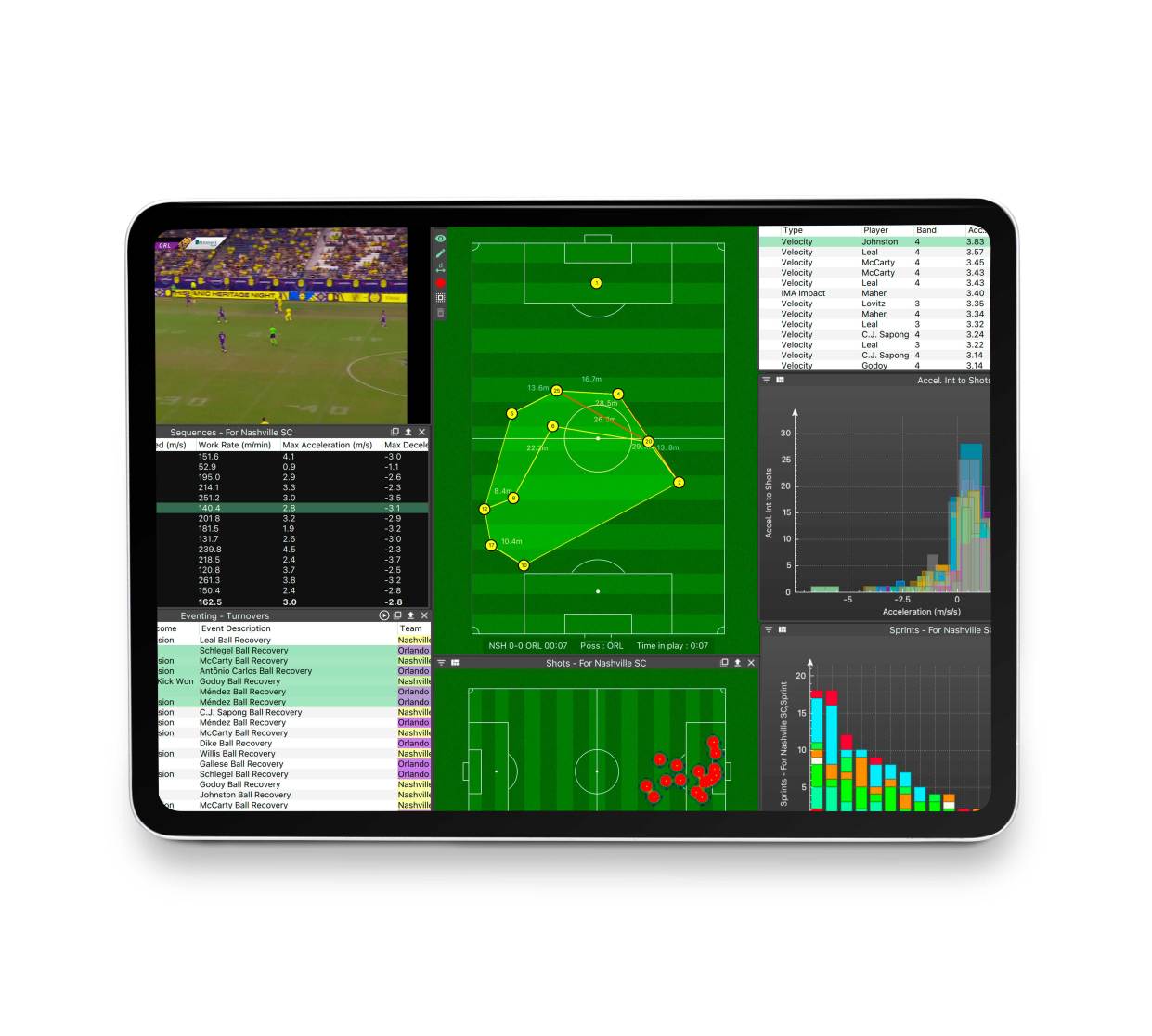
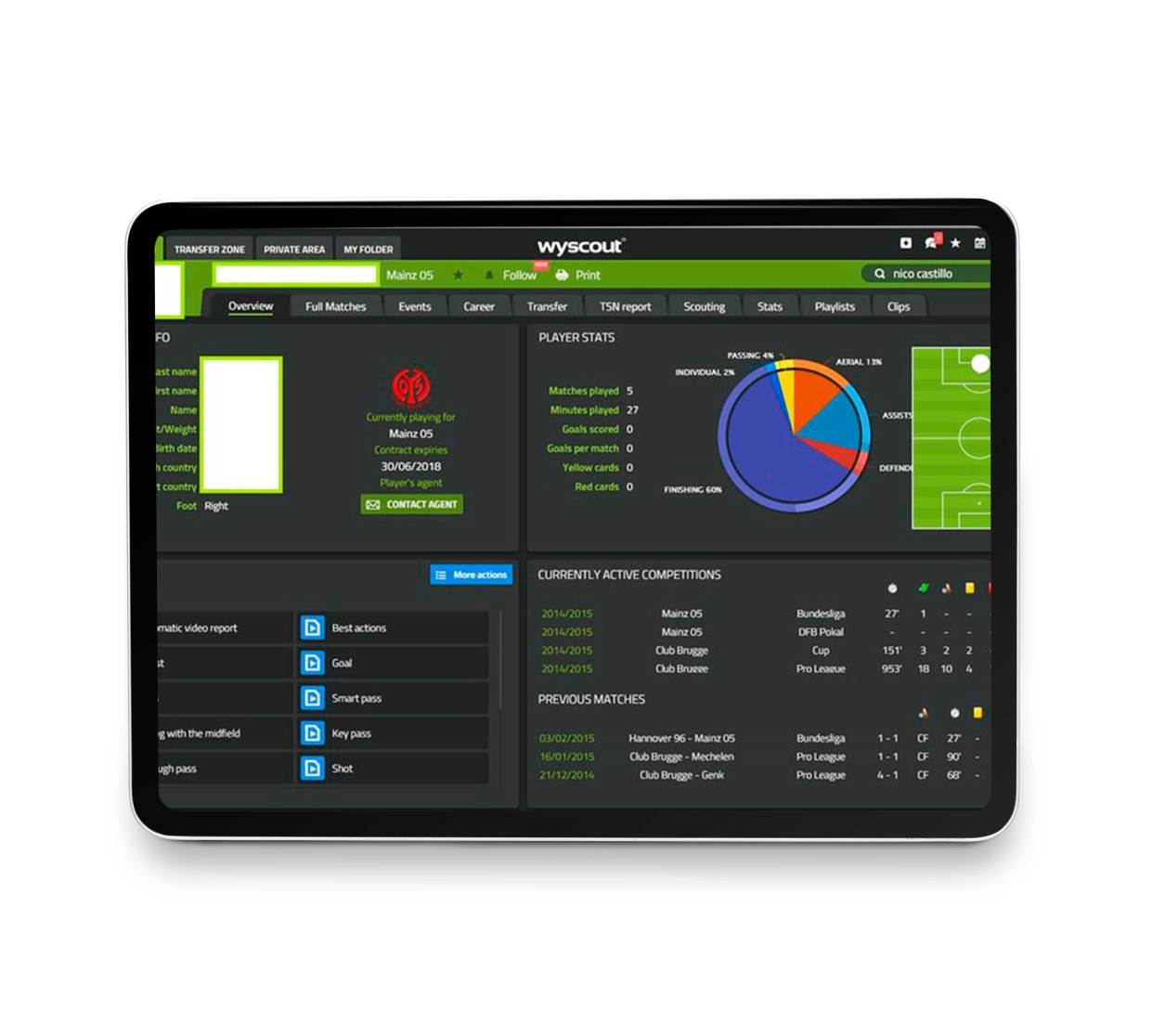
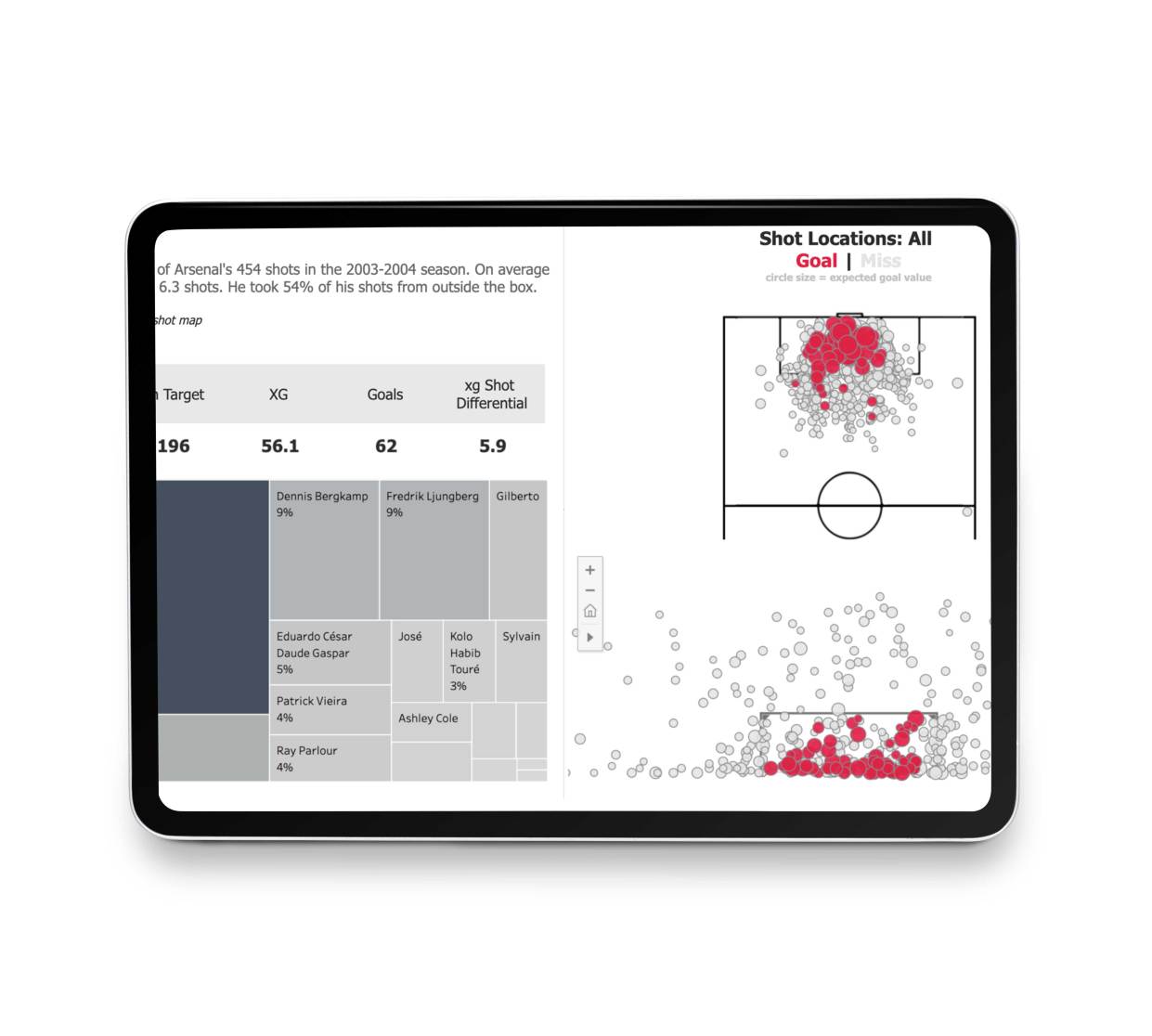
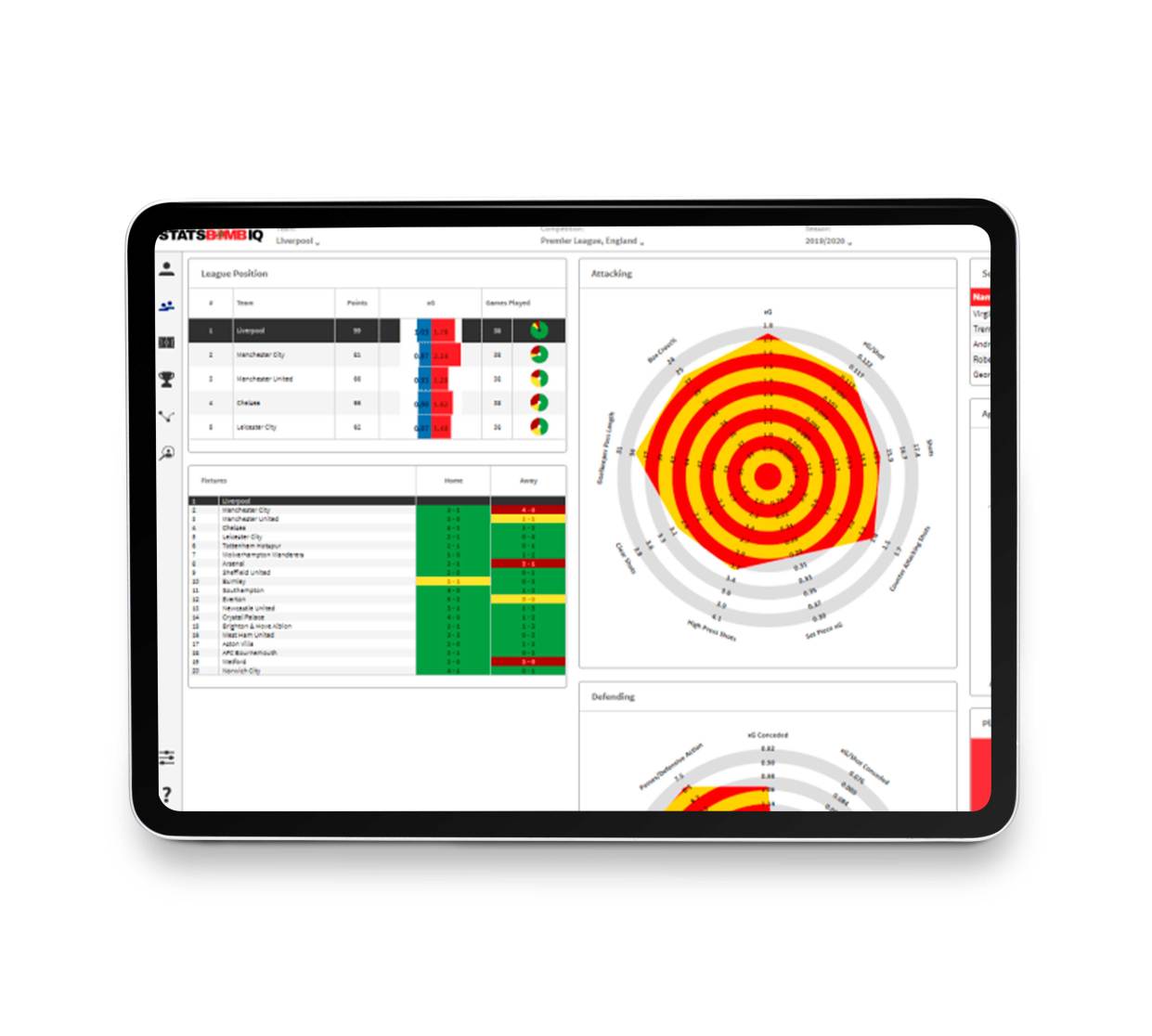
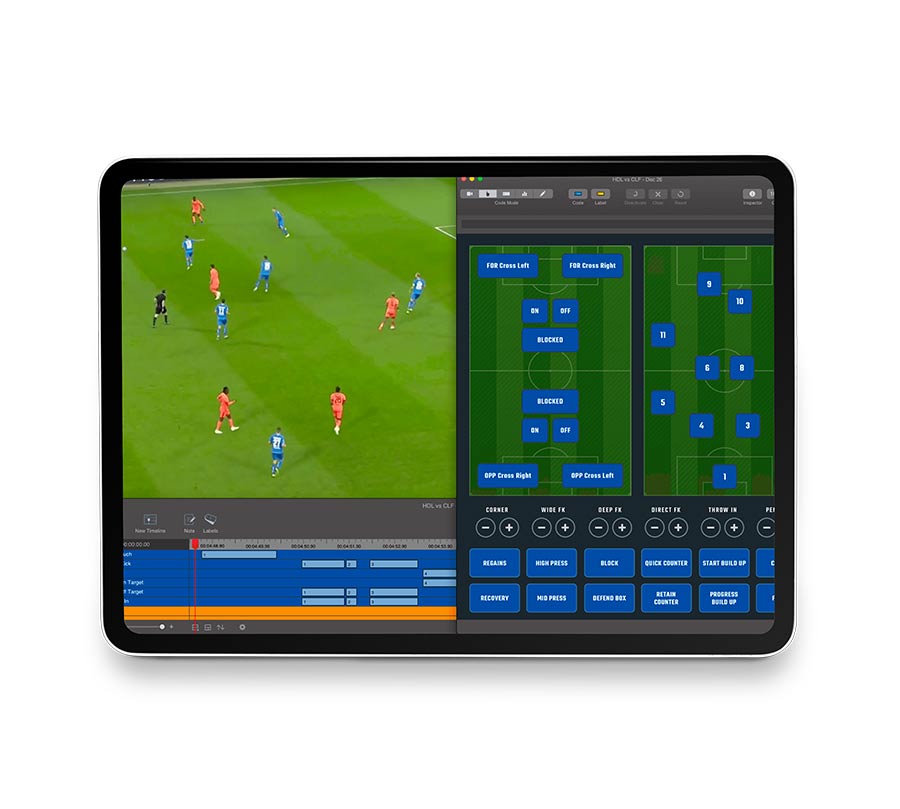
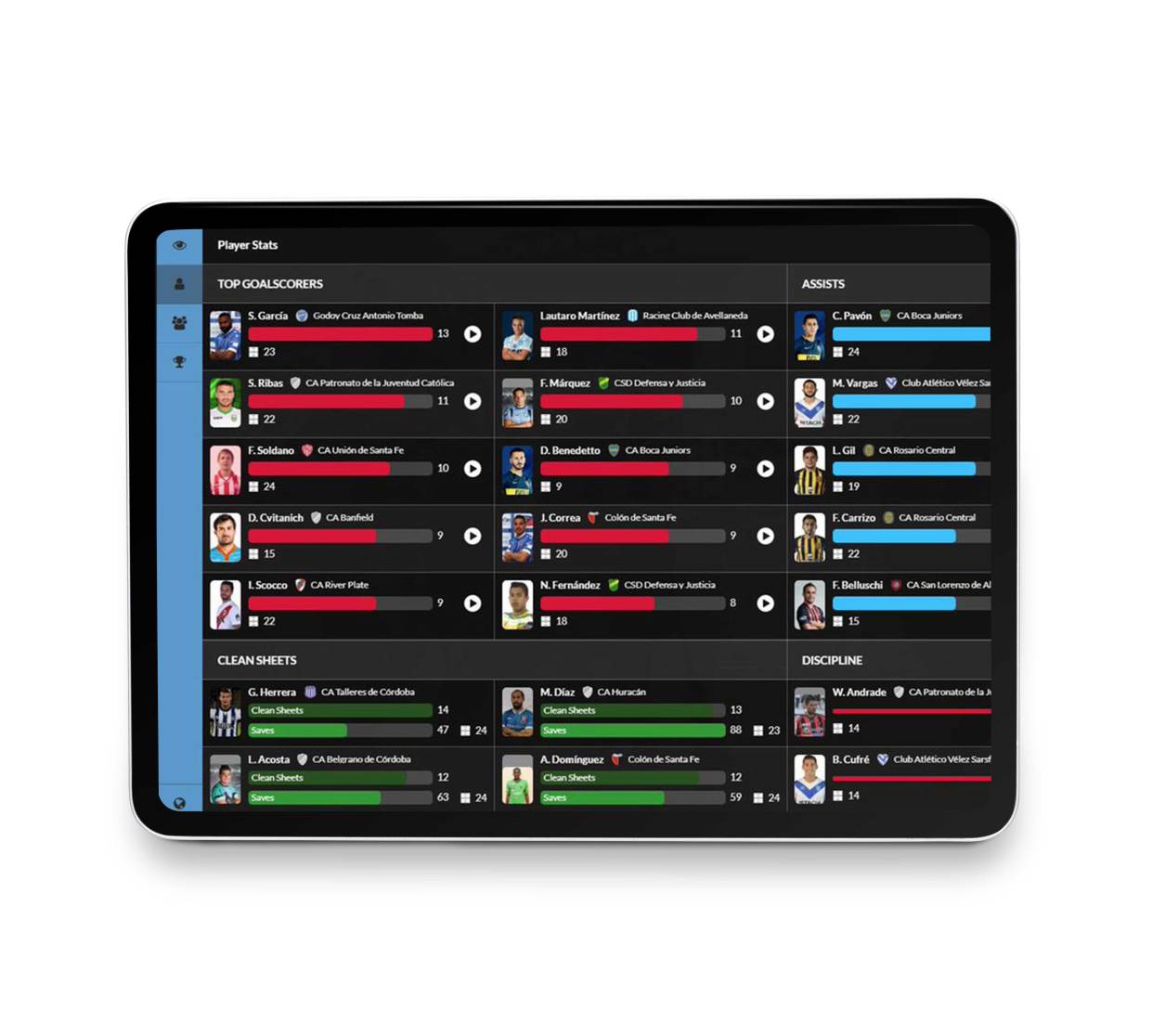
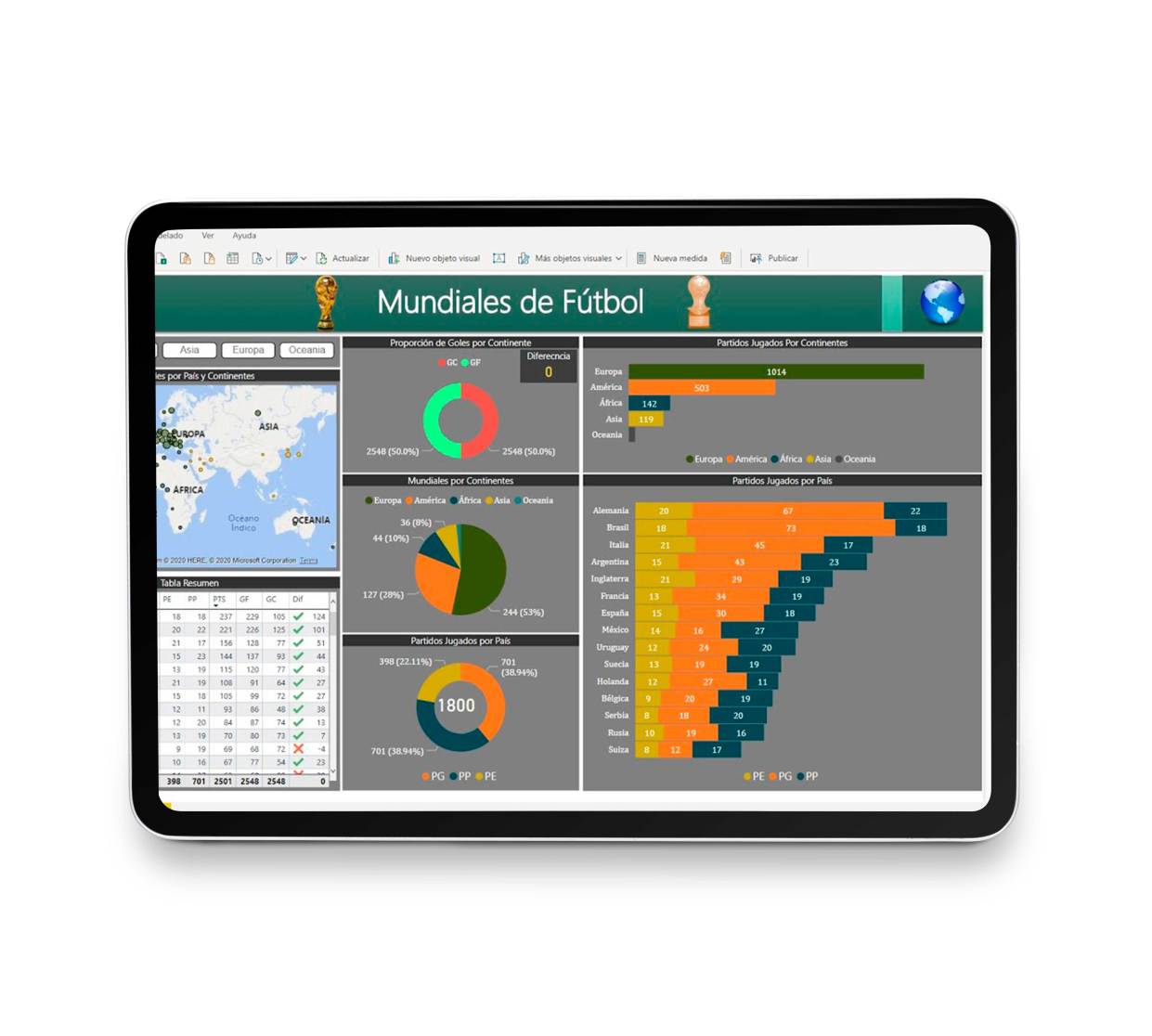
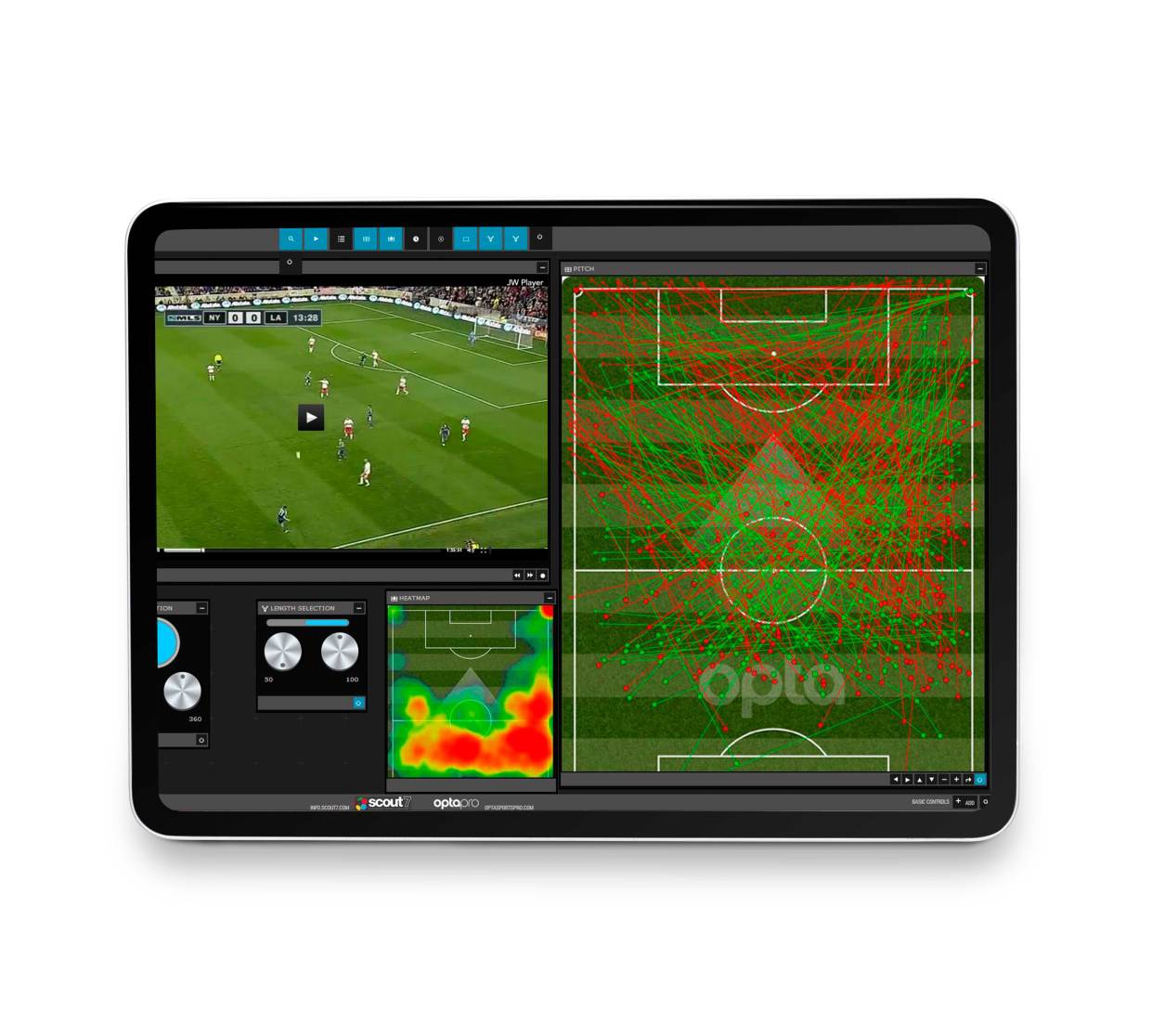
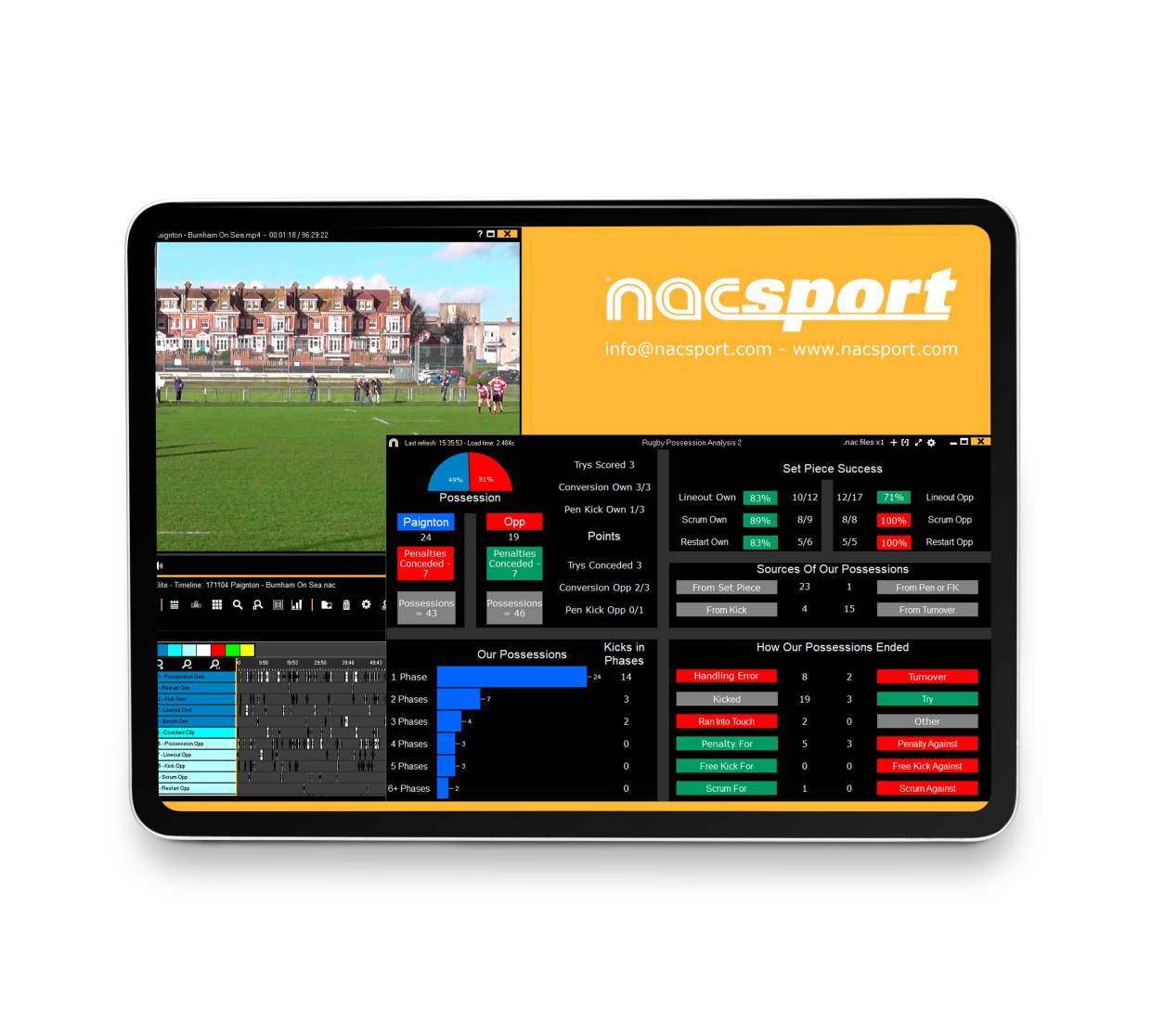
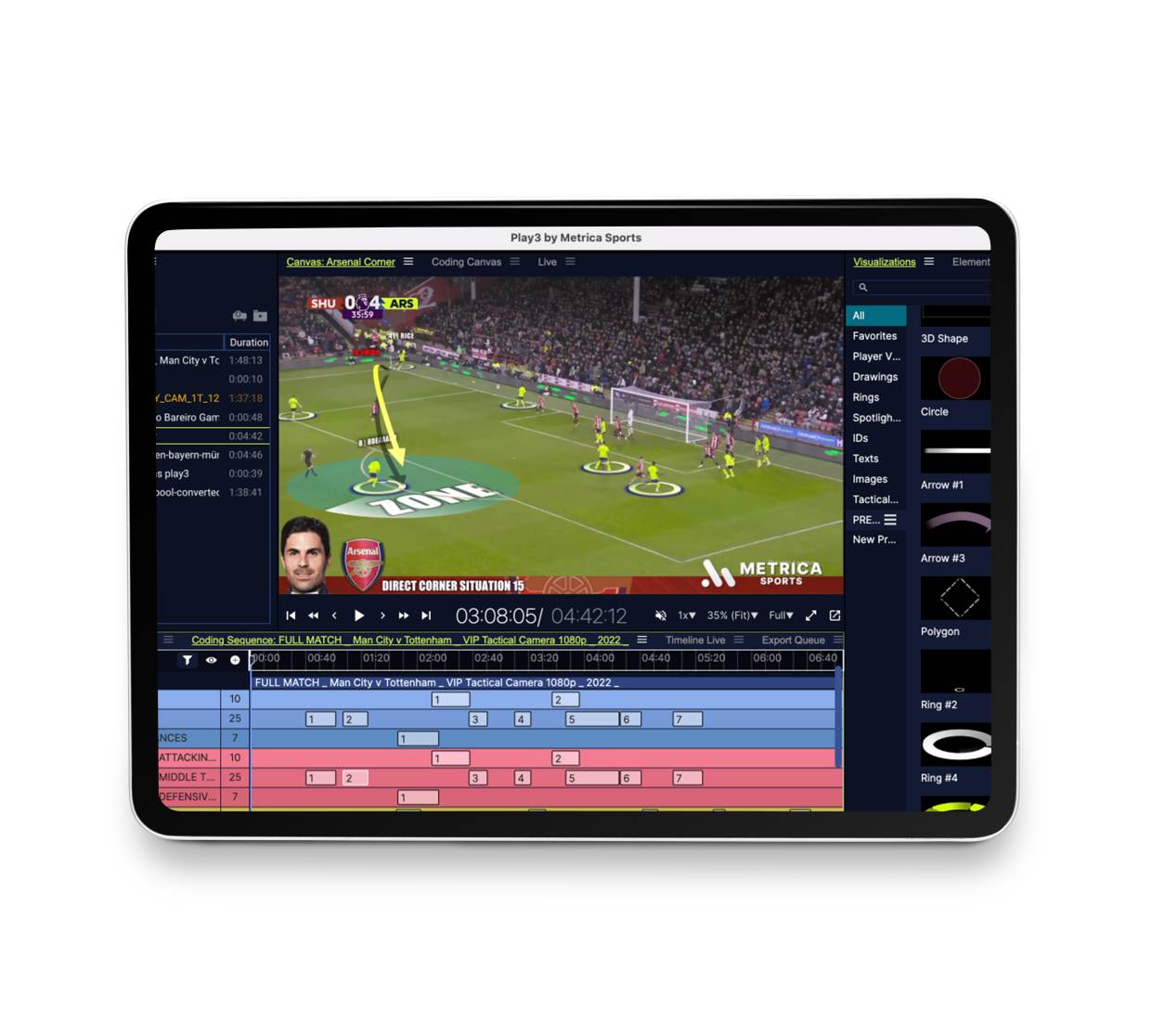
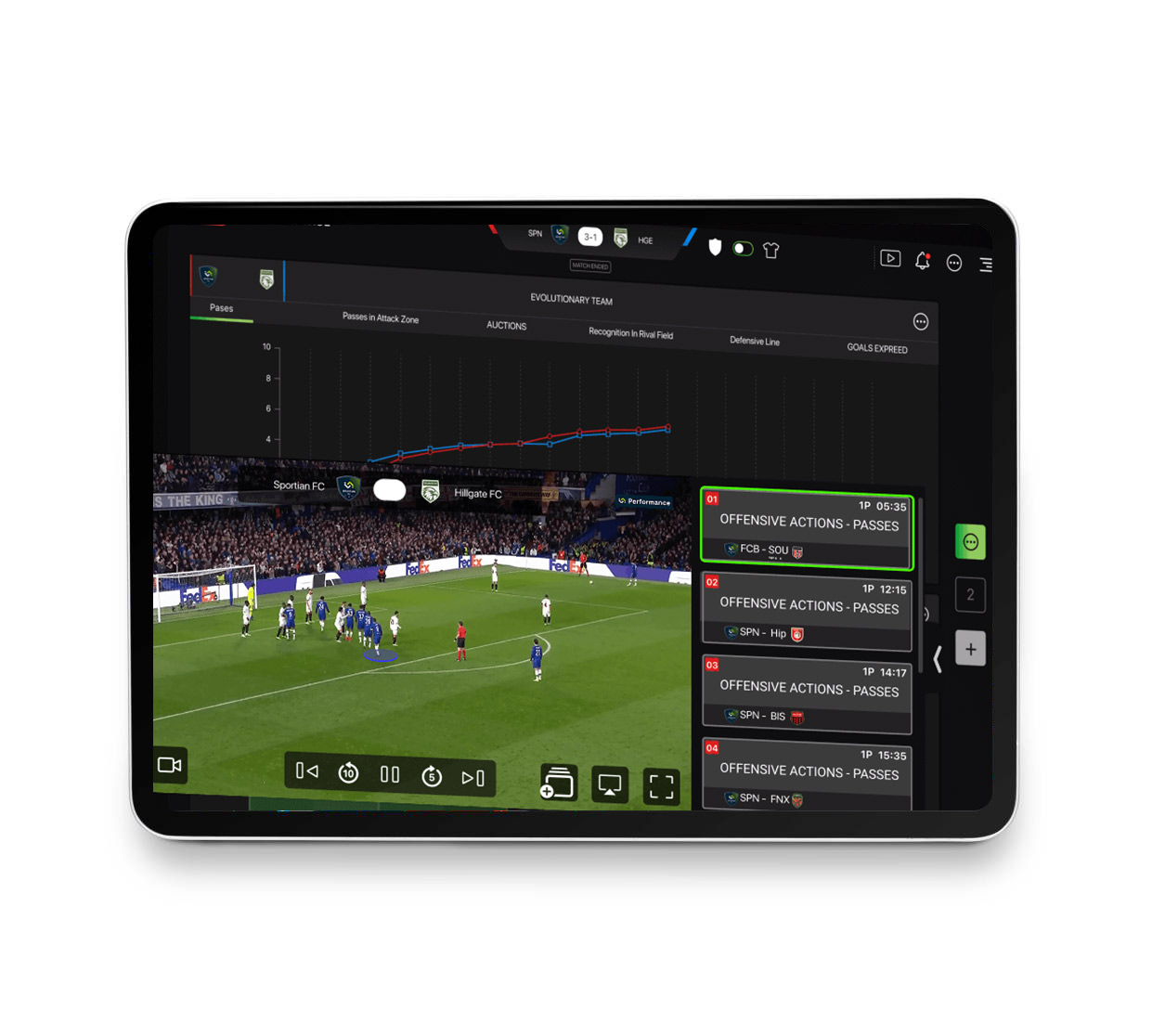
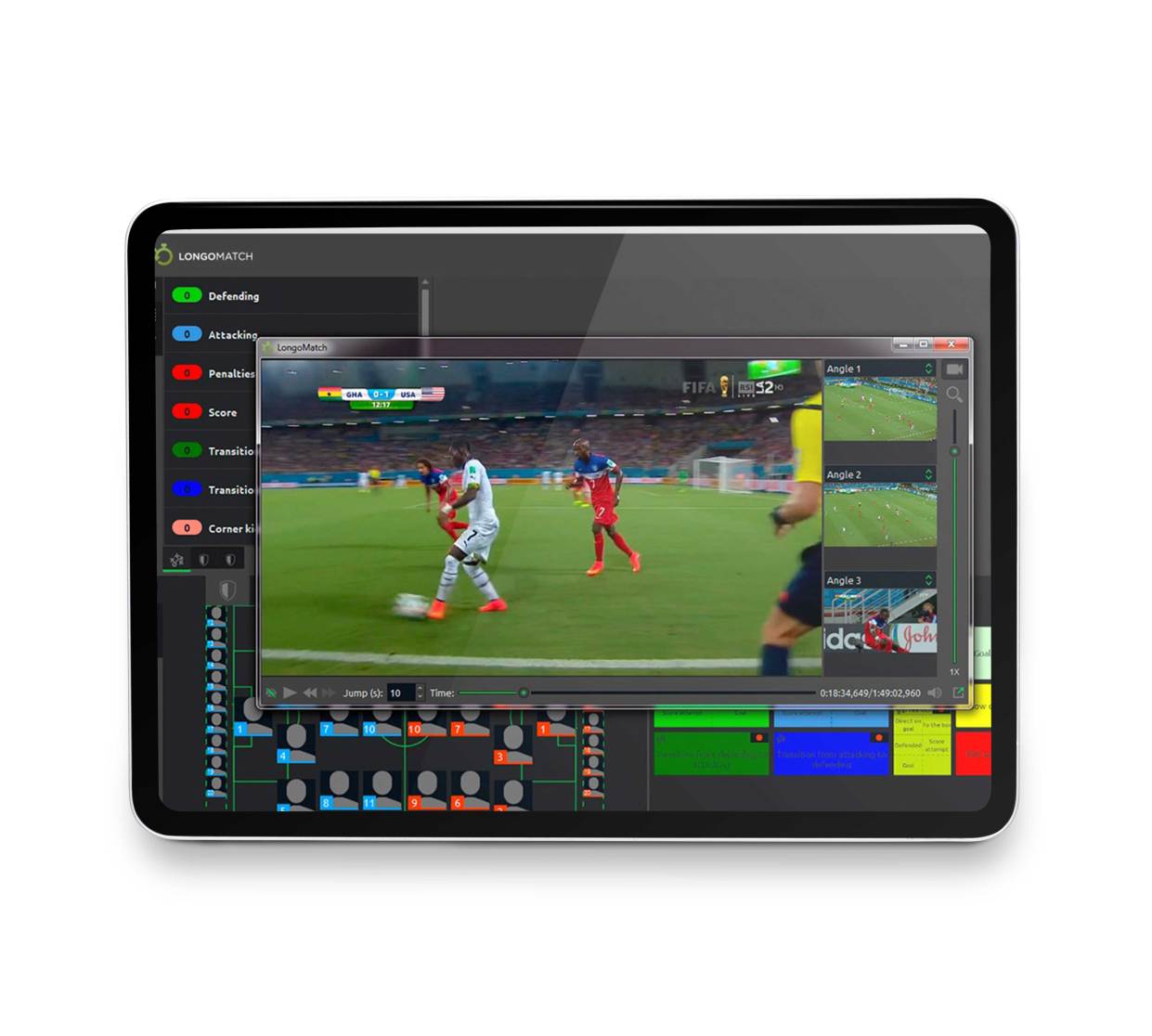
You will work with these providers of football data, tools, and video analytics platforms











ACADEMIC DIRECTION

David R. Sáez
CEO at Sports Data Campus (ENIIT / Big Data International Campus)

Lucas Bracamonte
Professional Extension Director
INSTRUCTORS
TOP FACULTY AT YOUR SERVICE

Gastón González
Head of Operations & Ecosystem Strategy (DPE)

Pedro López
Head of Robotics and Research Laboratory

José Espinoza
Software Engineer
LUCAS BRACAMONTE
Professional Extension Director

JAVIER FERNÁNDEZ RODRÍGUEZ
Senior Data Scientist at Sportian | Sports Data Campus

MATIAS PARODI
Software Developer & Consultant | Machine Learning | AI Innovator for Sports & Technology

David Fombella
Data Consultant at StrateBI and Co-Academic Director

Fredi Martín
Professional Football Coach and Academic Director at Sports Data Campus

Diego Vilches
Team leader Linti - Atenea Inteligencia Deportiva
MASTERCLASS
PROFESSIONAL ANALYSTS, SPORTS DIRECTORS, COACHES, STAFF…

José Rodríguez
Set-Piece Coach at Elche CF

Juan Manuel Bello
Head of Football Operations Iberia - Impect

Sofía Errecarte
Technology Technician at Eniit

Pablo Sanzol
Sports Director and Sports Consultant – Professional Football Expert

André Silveira Castanho
International Development Officer at Sports Data Campus

Guillermo Mora Arnés
Skillcorner - American Football Data Scientist

Marcos Hernández
Tutor at Sports Data Campus and CTDA at Gloouds

Omar Bautista
Match & Scouting Data Analyst - Club Brugge

Santiago Muñoz
Data Scientist at Libro de Pases
MATIAS PARODI
Software Developer & Consultant | Machine Learning | AI Innovator for Sports & Technology

Anselmo Ruiz de Alarcon
USA National Team

Óscar Martín
CEO of Patrulla Mutante
Do you want to work in professional environments?
Sports Data Campus Professional Extension
Sports Data Campus Professional Extension connects you with the job market. If you study one of our master’s programs, we help you take the next step in your career.
BECAUSE COLLABORATION IS STRENGTH
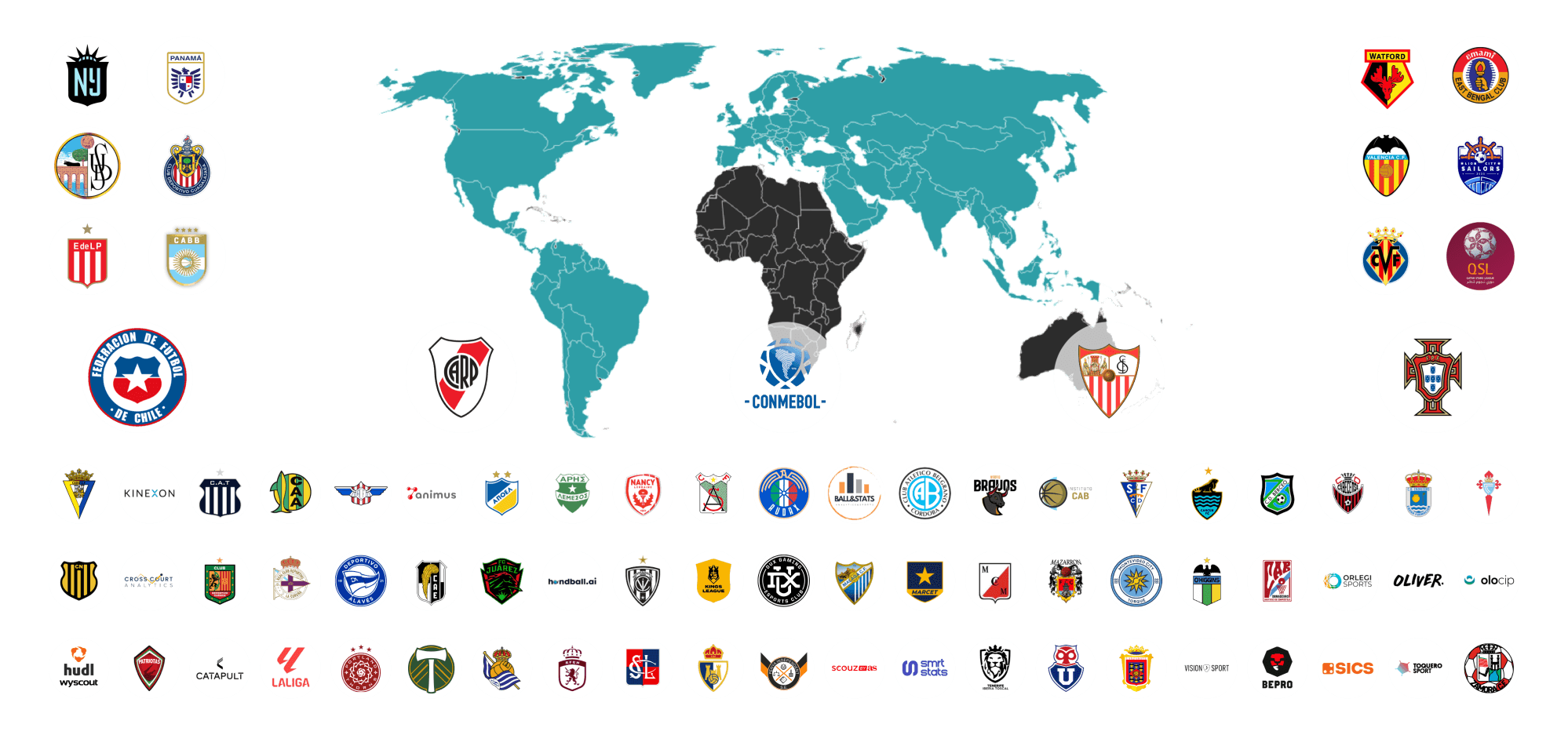
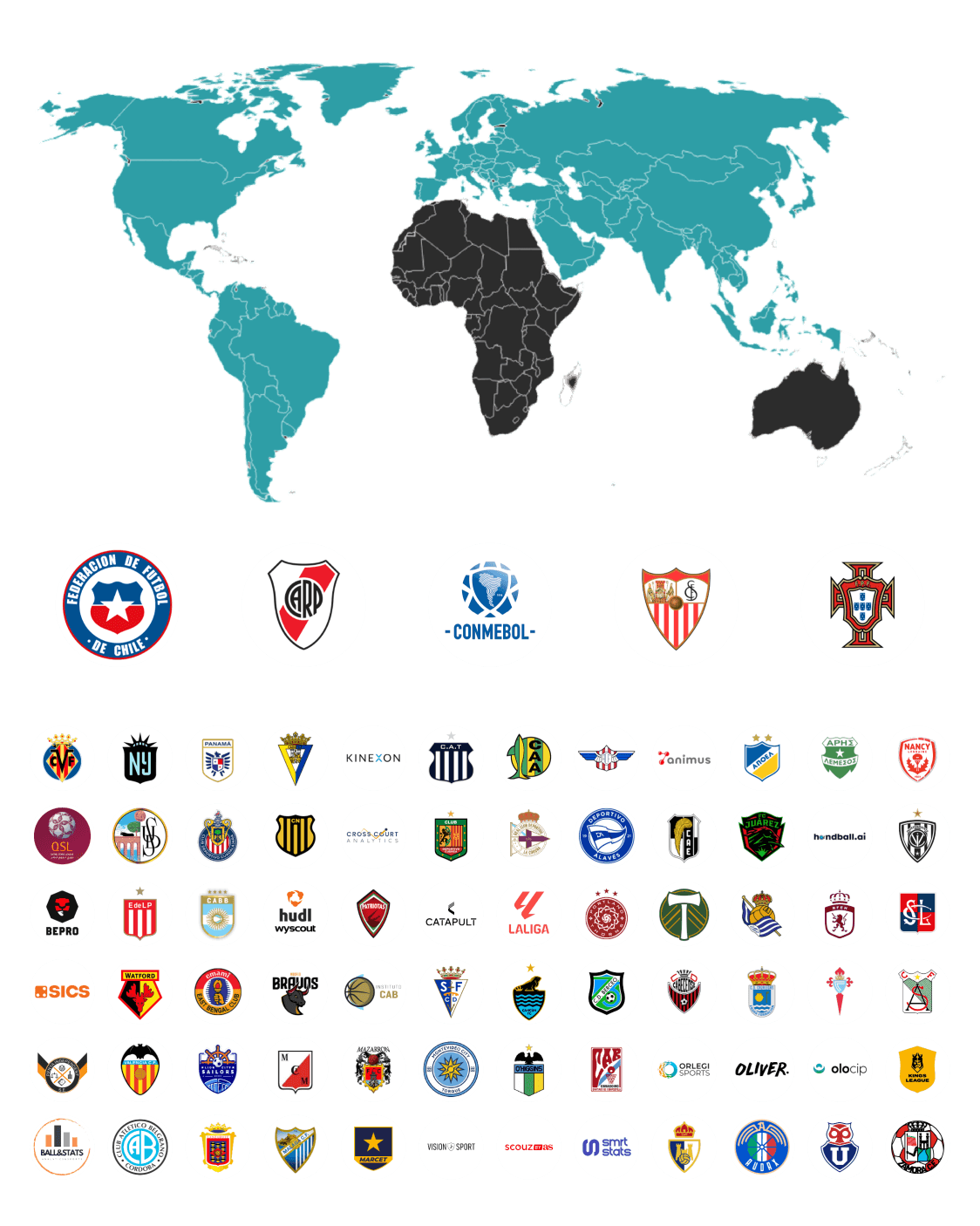
PROUD OF OUR ECOSYSTEM OF PARTNERS, WHICH KEEPS GROWING EVERY DAY
Clubs, Federations, Confederations and Sports Entities
















































Companies and Industry






























































WHAT OUR STUDENTS SAY
We are extremely proud of every student who has trained at Sports Data Campus and is now part of this great family.
Thank you all for your effort and support! 🙂
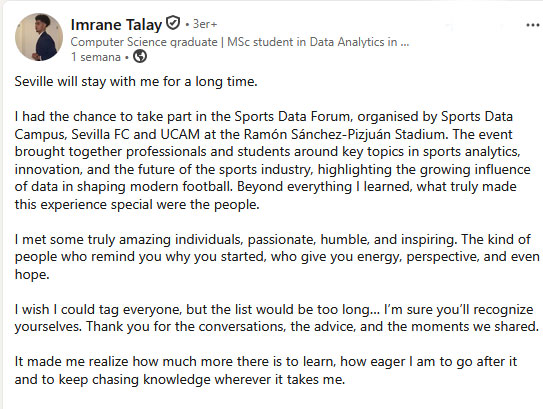
Imrane Talay
I had the chance to take part in the Sports Data Forum, organised by Sports Data Campus, Sevilla FC and UCAM at the Ramón Sánchez-Pizjuán Stadium. The event brought together professionals and students around key topics in sports analytics, innovation, and the future of the sports industry
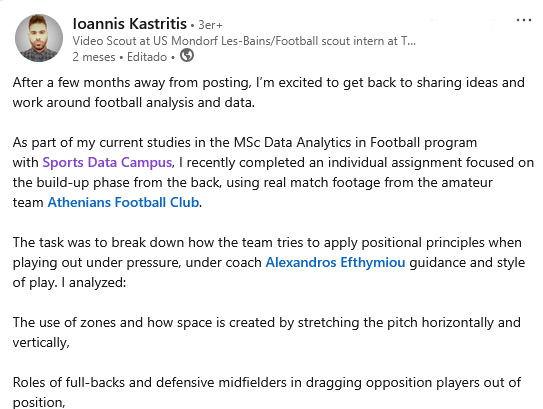
Ioannis Kastritis
As part of my current studies in the MSc Data Analytics in Football program with Sports Data Campus, I recently completed an individual assignment focused on the build-up …
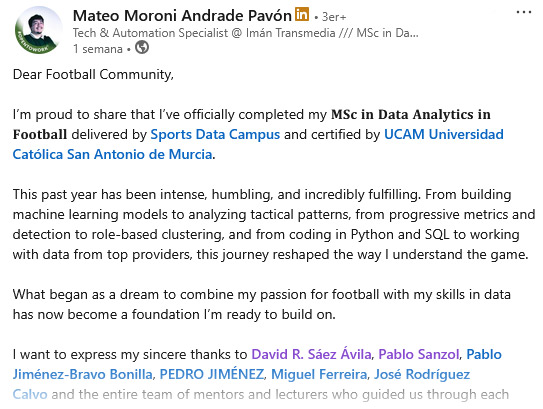
Mateo Moroni Andrade Pavón
I want to express my sincere thanks to David R. Sáez Ávila, Pablo Sanzol, Pablo Jiménez-Bravo Bonilla, PEDRO JIMÉNEZ, Miguel Ferreira, José Rodríguez Calvo and the entire team of mentors. …
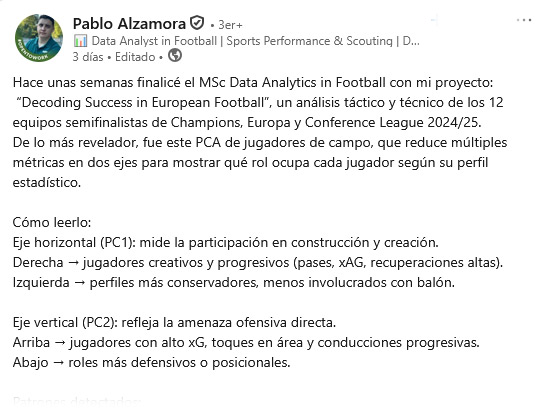
Pablo Alzamora
De lo más revelador, fue este PCA de jugadores de campo, que reduce múltiples métricas en dos ejes para mostrar qué rol ocupa cada jugador según su perfil estadístico.
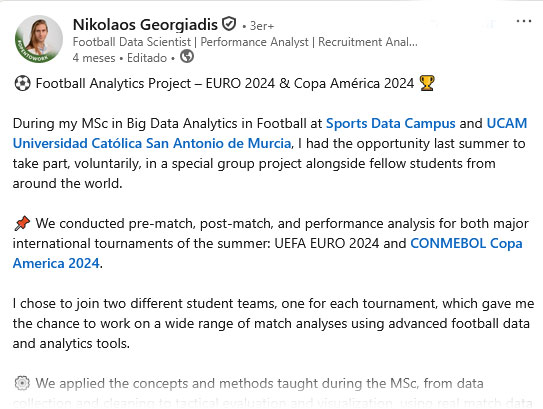
Nikolaos Georgiadis
I would like to sincerely thank Sports Data Campus, Pablo Jiménez-Bravo Bonilla, PEDRO JIMÉNEZ, David R. Sáez Ávila and the rest of the staff for this unique opportunity that helped me watch both tournaments through a completely new lens, that of a football analyst.
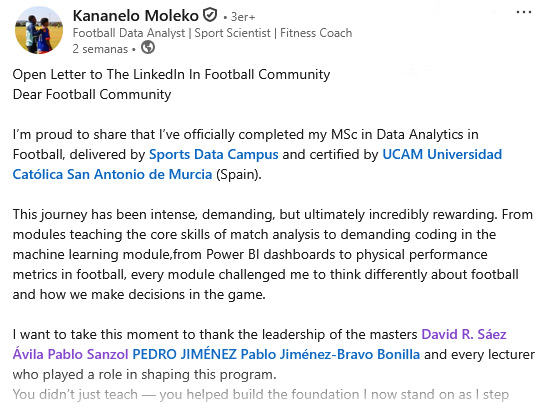
Kananelo Moleko
I’m proud to share that I’ve officially completed my MSc in Data Analytics in Football, delivered by Sports Data Campus and certified by UCAM Universidad Católica San Antonio de Murcia (Spain)
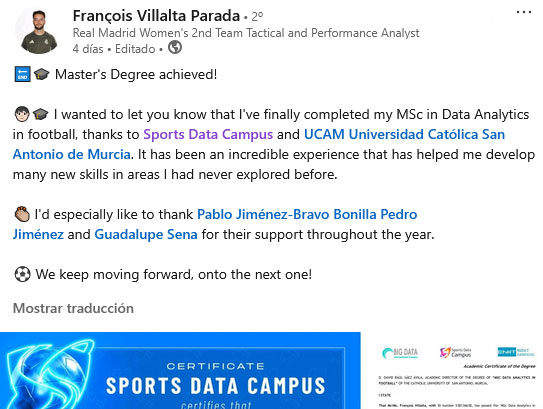
François Villalta Parada
Master's Degree achieved! I wanted to let you know that I've finally completed my MSc in Data Analytics in football, thanks to Sports Data Campus and UCAM Universidad Católica San Antonio de Murcia.
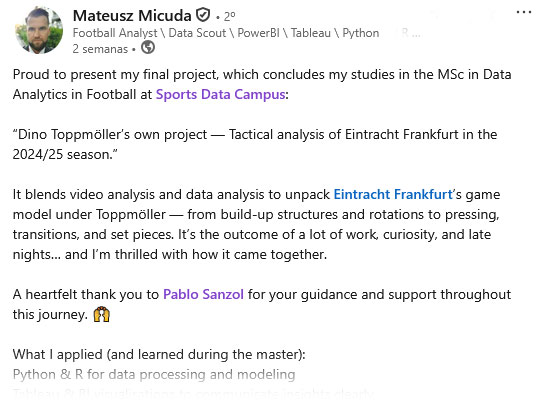
Mateusz Micuda
Proud to present my final project, which concludes my studies in the MSc in Data Analytics in Football at Sports Data Campus: “Dino Toppmöller’s own project — Tactical analysis of Eintracht Frankfurt in the 2024/25 season.”
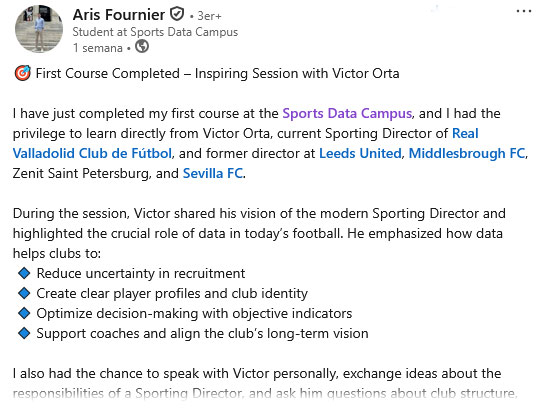
Aris Fournier
I have just completed my first course at the Sports Data Campus, and I had the privilege to learn directly from Victor Orta, current Sporting Director of Real Valladolid Club de Fútbol
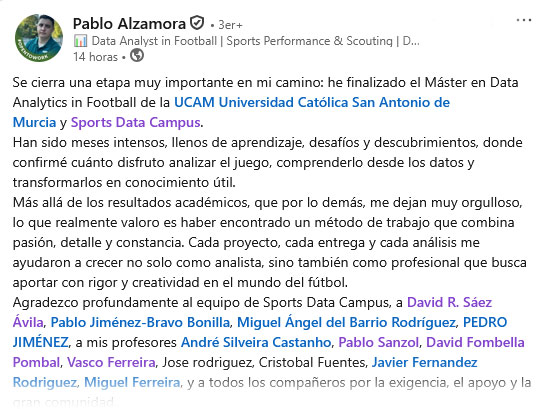
Pablo Alzamora
Han sido meses intensos, llenos de aprendizaje, desafíos y descubrimientos, donde confirmé cuánto disfruto analizar el juego, comprenderlo desde los datos y transformarlos en conocimiento útil.
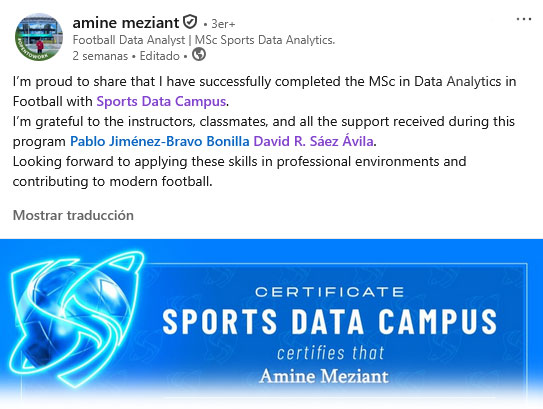
Amine meziant
I’m grateful to the instructors, classmates, and all the support received during this program Pablo Jiménez-Bravo Bonilla David R. Sáez Ávila.
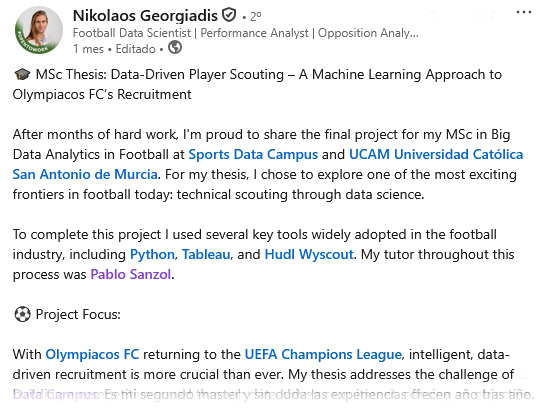
Nikolaos Georgiadis
After months of hard work, I’m proud to share the final project for my MSc in Big Data Analytics in Football at Sports Data Campus and UCAM Universidad Católica San Antonio de Murcia. …
FAQ – Frequently Asked Questions
VACIO
El Big Data ha abierto una puerta transversal para su óptima aplicación al deporte, en concreto, al fútbol. Por ello, es una herramienta útil para reforzar la construcción de la dirección deportiva. Es muy difícil entender uno de los estamentos más importantes de un club de fútbol sin la aplicación del dato de forma profesionalizada. En definitiva, el dato es un pilar básico que ayuda a optimizar procesos, así como a detectar talento en cualquier competición y a reducir al mínimo el factor suerte.
- Big Data y fútbol.
- Estructura, organización y planificación de una dirección deportiva de fútbol.
- Los pilares básicos de una dirección deportiva.
- El seguimiento en bruto y en neto.
- Los perfiles.
- La negociación.
- La adaptación.
- El dato y la reducción del factor suerte.
- La cantera..
Is the Master’s Degree in Advanced Python Applied to Football Right for Me?
Yes. The programme is designed for professionals, graduates and technical profiles seeking to specialise in programming, data analysis, automation, machine learning and Artificial Intelligence applied to football.
Do I Need Previous Python Experience to Enrol?
No. The programme follows a progressive learning path, covering everything from the fundamentals to advanced programming, data analysis, automation and machine learning applied to football.
Contact Pedro via WhatsApp and ask any questions you may have about the programme.
What Will I Learn in the Master’s Degree in Advanced Python Applied to Football?
You will learn to collect, process, automate and visualise football data, as well as develop predictive models and machine learning solutions using Python.
What Qualification Will I Receive?
In addition to the programme’s UCAM university certification, the course includes additional certifications related to tools and technologies used in professional sport, including Catapult, LongoMatch, STATSports, GesKlub and other collaborating organisations.
VACIO
El Big Data ha abierto una puerta transversal para su óptima aplicación al deporte, en concreto, al fútbol. Por ello, es una herramienta útil para reforzar la construcción de la dirección deportiva. Es muy difícil entender uno de los estamentos más importantes de un club de fútbol sin la aplicación del dato de forma profesionalizada. En definitiva, el dato es un pilar básico que ayuda a optimizar procesos, así como a detectar talento en cualquier competición y a reducir al mínimo el factor suerte.
- Big Data y fútbol.
- Estructura, organización y planificación de una dirección deportiva de fútbol.
- Los pilares básicos de una dirección deportiva.
- El seguimiento en bruto y en neto.
- Los perfiles.
- La negociación.
- La adaptación.
- El dato y la reducción del factor suerte.
- La cantera..
How Does the Programme Accommodate Working Professionals?
The online format makes it easier to combine your studies with work and other responsibilities. You can organise your learning and access the programme content according to your availability.
Are the Classes Recorded?
Yes. Sessions are recorded so that you can review them or continue with the programme whenever you are unable to attend live.
Does the Programme Provide Networking Opportunities?
Yes. The programme connects students with lecturers, industry professionals, football clubs, technology companies and organisations involved in sports data analysis.
What Funding and Payment Options Are Available?
The programme offers flexible payment plans and funding options. The admissions team assesses each applicant’s circumstances to provide a suitable alternative.
Take the Next Step in Your Career
Request information about our programmes and speak with the Sports Data Campus academic team. We will provide personalised guidance and answer your questions about our methodology, entry requirements, career opportunities, available programmes and admissions process.
Request Information